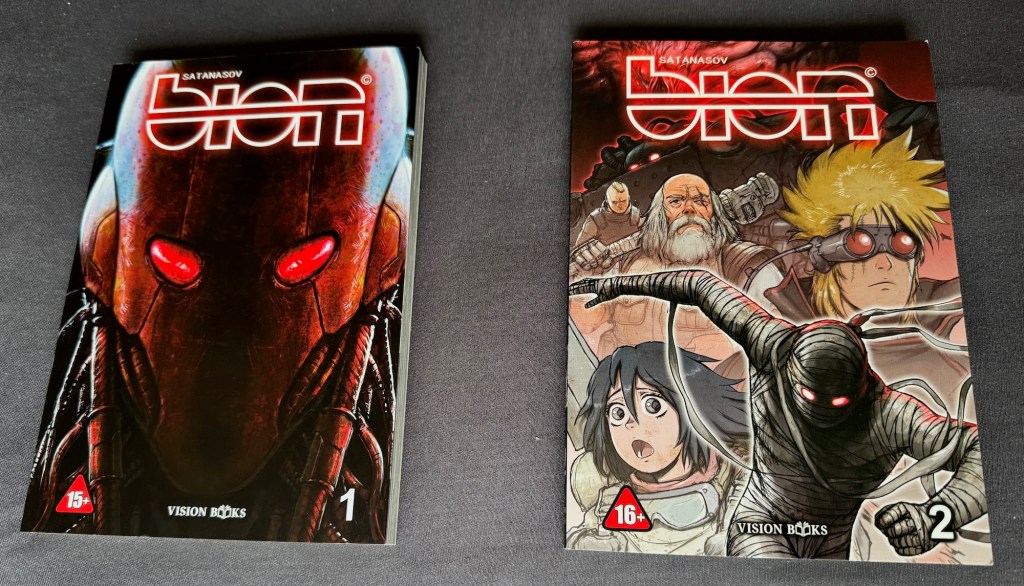
These books were part of my Alley of Books harvest.
In a post apocalyptic world, one intact city remains habitable. Everything else is a radioactive desert. The survivors are highly dependent on a mythical high-tech building called “The Factory”. The further you go from it, the more destroyed the environment is. However, The Factory is clearly evil, and a resistance movement is forming.
A few very deep observations:
Part one is for 15+ audience, part two is for 16+. Part three can be expected to be for 17+ 🙂
Part one is a comic book. Part two introduces a robot girl with big eyes and some reviewers say it’s Manga
I walked about 3000 kilometers over the last 12 months. Walking is my exercise+meditation combo, and I plan to keep doing it. My goal is 10K steps/day. I also do some mild weekly hikes, that have recently started reaching the 20K step mark.
When I started walking daily, I used regular Sketchers shoes with memory foam. These were very convenient for driving and hanging out in Starbucks but turned out to be unsustainable for longer walks. Switching away was a tough choice. However, my wife, who is chasing a similar walking goal as me, started having the same type of pain I had. So we decided to try new shoes.
What I got was the Nike Wildhorse 8. I didn’t know these are running shoes when I bought them. I guess most people who buy these shoes don’t run and walk instead. So I walked in mine until they started breaking. Here is my experience from walking about 2000 km with them.
Walking
They’re very comfortable in most seasons, except the coldest days of the winter
The slightest drops of rain go through and reach your sock, which I find pleasant
They keep your feet cold and dry from sweat
The sole has no visible signs of wear after no less than 2k km.
The pain in my feet fully disappeared in about 3 weeks of use, and started coming back after ~10 months, perhaps due to insole damage
The visible damage on the shoes after a 11 months of chasing steps every day is minimal
Sufficiently comfortable for driving and shopping, no sacrifices over the Sketchers
Hiking
The shoes are light and the sole bends a lot. This has some pros and cons for my use:
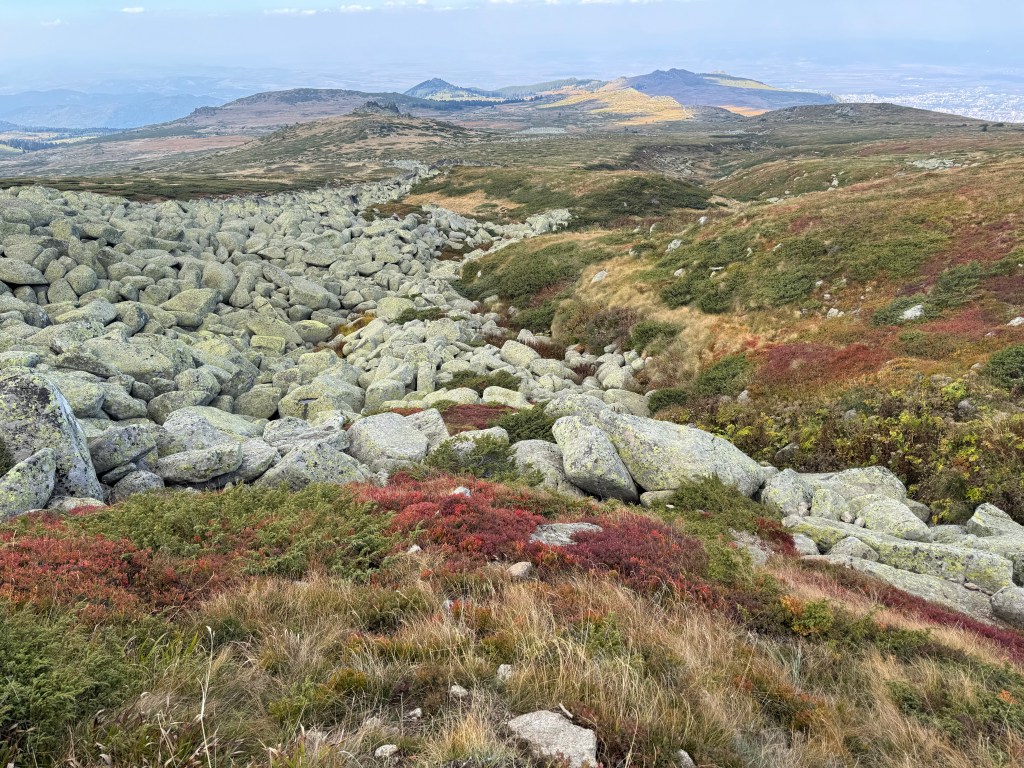
On a road like the one on the photo above, I would avoid the stones. The traditional hiking boots have hard soles and you can step wherever you like
They’re light and you don’t need to think about them
Okay on gravel
Slippery on snow, don’t ask why I did snow hiking with them. It’s very easy for the snow to get in and then it hurts
Verdict
I didn’t use these shoes for their intended purpose. Can’t run yet. But they’re great for walking and easy hikes. I’m happy with my purchase and got a new pair.
❤️
Update 03/2025
The second pair of shoes broke after about 3 months of 10k/day use (the other 2-3 since I bought them I wore winter shoes). The first signs of insole damage was visible after less than a month and they started hurting not long after. I don’t know why the first pair lasted much longer. My use didn’t change.
It was supposed to be a quiet day. We went to IKEA, had meatballs, got a teapot because one of our kids is drinking lots of tea. Tested all the couches. Comfy. All of that amounted to less than 5k steps, which is pretty poor for a weekend day. How do we get to 10k?
So we dropped some options, like “Let’s just do some steps up there in the mountain, take a horizontal path for just half an hour.” But it’s cold today, maybe go higher up where it’s more open and sunny.
One thing lead to another and we reached the top.
The weather was perfect, cold enough to not sweat. Warm enough to not need winter clothing.