
I managed to crawl to the mountain top for the first time since the Covid. It was tough and not enjoyable. The bean soup was fine though 🙂
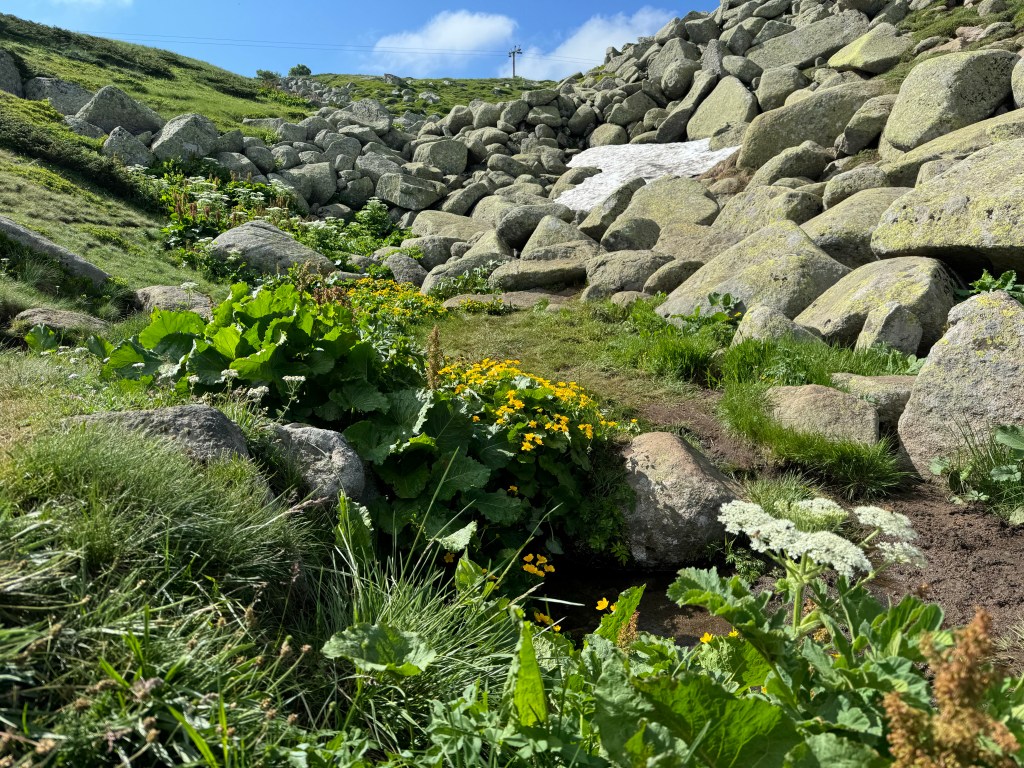
I took the shortest and easiest path that doesn’t involve lifts. It was about 5km one way.
Cats, good books, AI, and religious walking in the city of Sofia
I managed to crawl to the mountain top for the first time since the Covid. It was tough and not enjoyable. The bean soup was fine though 🙂
I took the shortest and easiest path that doesn’t involve lifts. It was about 5km one way.

30 years ago, the most common graffiti were y-Maria, READ THE BIBLE, and Vapski. Whoever drew the last tag clearly improved a lot.
Y-Maria is also still around. Turned out she’s a driving instructor. Got my license with her.
It has to be my trip to Alaska, which took place in 2004 or 2005, when Bulgaria was not yet a member of the EU, and our passport strength was quite limited. At that time, I had never visited another country, and out of all the places in the world, I traveled to the USA, and from all the places in the USA – to Anchorage and Fairbanks. The trip was memorable enough that a photo from it remained a header of my previous blog for about a decade.
It had to be Alaska because my girlfriend went there for a work-and-travel trip and I missed her, so we had a vacation at the end of her work duties.
Things that made it memorable:
All of that doesn’t sound too exciting now that I’m older but it was a great adventure for my younger self. Basic things like airplanes, car rentals, motels, and diners felt like magic.

I finished this monumental work by Rebecca Yarros and have mixed feelings. I considered not writing a review but at the same time the book is is divisive and engaging. So here are my thoughts. Let’s start with the good. It’s readable and I read it!
The magic system is not good and it doesn’t get better in this part of the series. The nagging feeling that the system was borrowed by Naomi Novik remained, even though it’s likely unfair.
Naomi Novik develops a Mana/Malia magic system in the Scholomance series, which I recently reviewed and appreciated highly. The Mana is a magical energy that’s earned by work and owned by life. The Malia is mana stolen from others, often by draining their life. Rebecca Yaros uses the same system but doesn’t use the names Mana and Malia. Good energy comes through Dragons and bad energy – from Earth directly, no Dragons. This becomes a critical problem in book 2 as the main conflict in the book is between the magicians who use dragons and those who don’t. But why are the dragon-users good? They don’t strike to be particularly kind or merciful. What generates the Dragon mana? Is it dead sheep?
Naomi Novik develops a dragon rider university in the series Temreire and chases the history of dragons, how they fly, how they fight, how they eat, what they eat, numbers, shepherds, fields, cows, and so on. Rebecca Yarros drops “I’ll eat a flock of sheep” in book 1, and “he moved a flock of sheep to the valley” in book 2. What we get instead is the description of how baby dragons sleep for months and grow while sleeping. I wish those baby dragons at least ate some food like baby birds.
I still found it interesting despite these serious flaws. The book is engaging in the way Matthew Reilly writes. Yeah, there are dragons, which make no sense. They are connected to humans for no reason, generate unlimited energy with no source, and the love story exists despite the constant lies and intolerable deception by the main male protagonist. But it is still a page-turner. I might even consider reading the third part, although it won’t be high on the list.
4*/5

She was shy and didn’t want to pose.

