One of my favorite parts of Goodreads used to be seeing how my friends are progressing toward their annual reading goals. It was fun and a little competitive in a good way.
Last year, Amazon decided to clutter Goodreads with about a hundred new challenges while somehow hiding the only one that mattered to me. For a while, seeing friends’ challenge simply disappeared.
Well, good news: it’s back. If you’re using the mobile app, you can find it under: Settings → Reading Challenges → More frien…
I’m thankful it’s back so I can keep an eye on what my frien… read again.
Given that I keep reading books about Zombies, I think this photo is with the right mood. This is the abandoned pool in Blagoevgrad, in an area called The Beach. It was made like that by a concessionaire for reasons beyond comprehension and is probably not fixable with municipality’s current budget and organizational capacity.
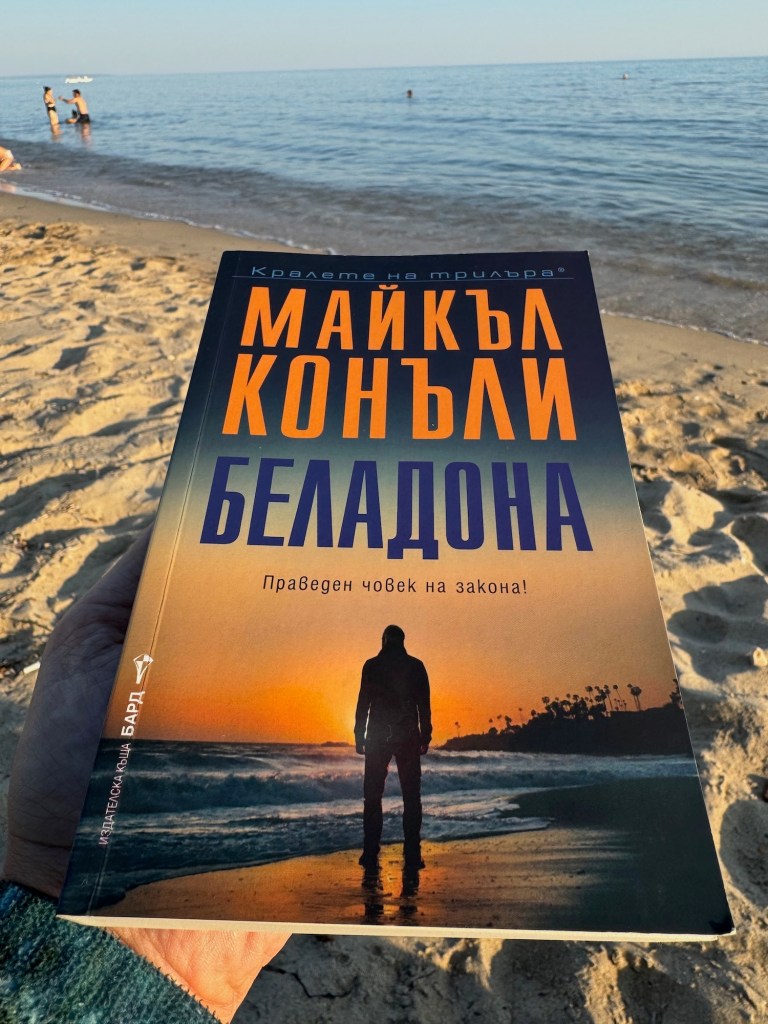
Michael Connelly is one of my favorite crime/thriller authors. I’ve read almost everything he’s written (probably everything but I’m not sure about one book). He is producing high quality books pretty consistently. However, he has flops. Nightshade is one of the books I did not like.
Los Angeles County Sheriff’s Detective Stilwell has been moved to Catalina Island, after a series of questionable life choices. Within the book, he has three tasks:
Investigate the murder of a protected buffalo
Get statements from some suspicious character who hit a police officer with a bottle
Keep his partner Natasha happy
This is not what he does, so in a sense, he continues with the questionable life choices and is surprising that the police didn’t transfer him to the North Pole. He jumps in to investigate a murder, and of course, one murder leads to another, so there are many murders.
Had the killer or the multiple killers stayed put, none of the book would’ve happened as Detective Stilwell’s entire game is to find clues in the exceptional overreaction by the suspects, giving them away over and over. Remove that and there’s no book. The original clues get compromised or are mostly ignored by the detective. For example, the body found in the beginning of the book – the book itself makes it very clear the first body should’ve been found elsewhere or never found.
Now, Natasha. Detective Stilwell is in love, according to the pages. He will manipulate, lie to, and ignore Natasha “Tash” Dano over and over. His treatment towards her is reckless, irresponsible, and borderline abusive. Although it is completely fine to describe an abusive relationship in a fiction book, the term for what we see is fridging. Fridging is when a character is introduced for the sole purpose of being killed and placed in a fridge, so the detective has business to do. I felt that the female protagonist only exists to increase the difficulty level to Detective Stillwell. The character development for her felt superficial but it is like that for the rest of the characters as well, except maybe the main victim, whose life and dreams we’ll explore in greater depths.
The best part of the book is the cover. It is beautiful and was one of the reasons to read it last week.
I rated Nightshade with 2*/5. One of the stars is a bonus for the cover and the whole Catalina idea. The content is perhaps the worst I’ve read by Michael Connelly.
I didn’t know what to expect from this book, but it definitely surprised me. The story follows a young woman who has just been released from prison and starts working as a maid for a seemingly unhinged housewife. She’s given a tiny closet to live in. Looks like it could only be locked from the outside. This instantly sets a claustrophobic, unsettling atmosphere and it only gets worse from there.
The book is short, and for me that’s a big plus. If it were longer, I probably wouldn’t have rated it five stars. It’s quick, intense, emotional, scary, and I really enjoyed it.
5/5
BTW, I only purchased it because the author’s first name is Freida and I wanted to read more Frieda Klein. It’s not quite the same first name but it is close.
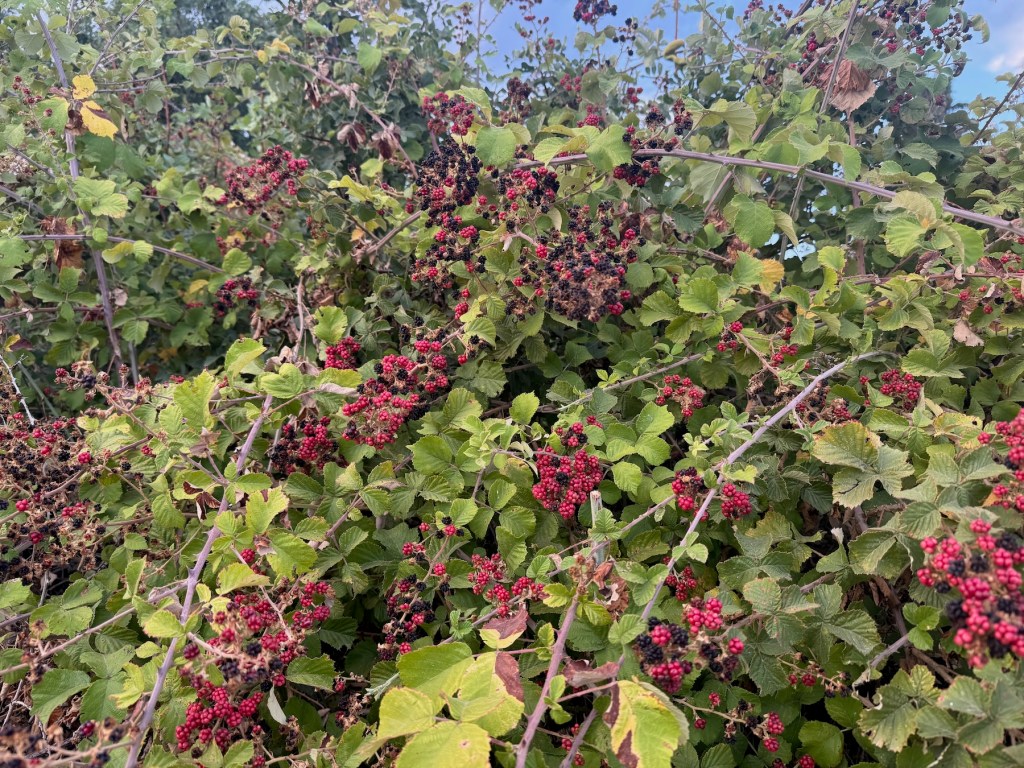
I rarely feature blackberries here because they’re not common around Sofia. I usually have to settle with raspberries and blueberries. Blackberries were very common around the city where I grew up (Stara Zagora) and I spent lots of time picking them and getting scratches.
You can actually filter the blackberries from the seeds and make a jam without seeds, which is a delicacy.