Exit Strategy by Lee Child and Andrew Child, Book Review

Exit Strategy is book 30 of the series about the retired military police officer Jack Reacher, no middle name. Reacher, a 60-something, overweight, and homeless, is traveling the country with a thin stack of cash, a debit card, and a toothbrush, like a modern version of the hitchhiker Arthur Dent. Exit Strategy is also a book from the Murderbot series by Martha Wells. The two books have many things in common, for example there’s no exit strategy at any part of the plot. Actually, Reacher only has one strategy, which involves using his massive size to crush the bad guys, just like the Murderbot.

Book 29 of the series was called In Too Deep. In my review from 2024, I awarded it with 1* and evaluated the whole series as unreadable, probably thanks to the new writer. I remember being surprised that it had over 4 on Goodreads, a mistake the readers have already corrected. Book 30 currently stands at 3.75, the lowest Jack Reacher has ever received. However, this is probably due to the piling disappointment after several sub-par or disastrous books that might’ve discouraged long-term fans of the series from buying it.

Exit Strategy is readable. Reacher crushes bones in a satisfying way. There are no Russians, no three-letter agencies, world-scattering conspiracies, or disposable femme fatales. The villain is some rich dude. This is already a major improvement. The best stories from the earlier years didn’t have complex plots or multiple espionage tropes either.

Reacher enters a town and finds another retired vet, who is in trouble. He forms a small crew to solve the problem in his way, Karateka style. He is, in a sense, still like the old Steven Seagal. Large, static, not very smart, linear, arrogant, quick with the choices. But the book is readable and offers many things the good Reacher books offered, including an unexpected ending that made sense.

I think, despite being sub-par compared to the books before Andrew Child, this is an okay thriller. I hope the duo keeps positive learnings with their next work. 4/5.

Anniversary Harvest

I had a work anniversary a few days ago and rewarded myself with some new thrillers.

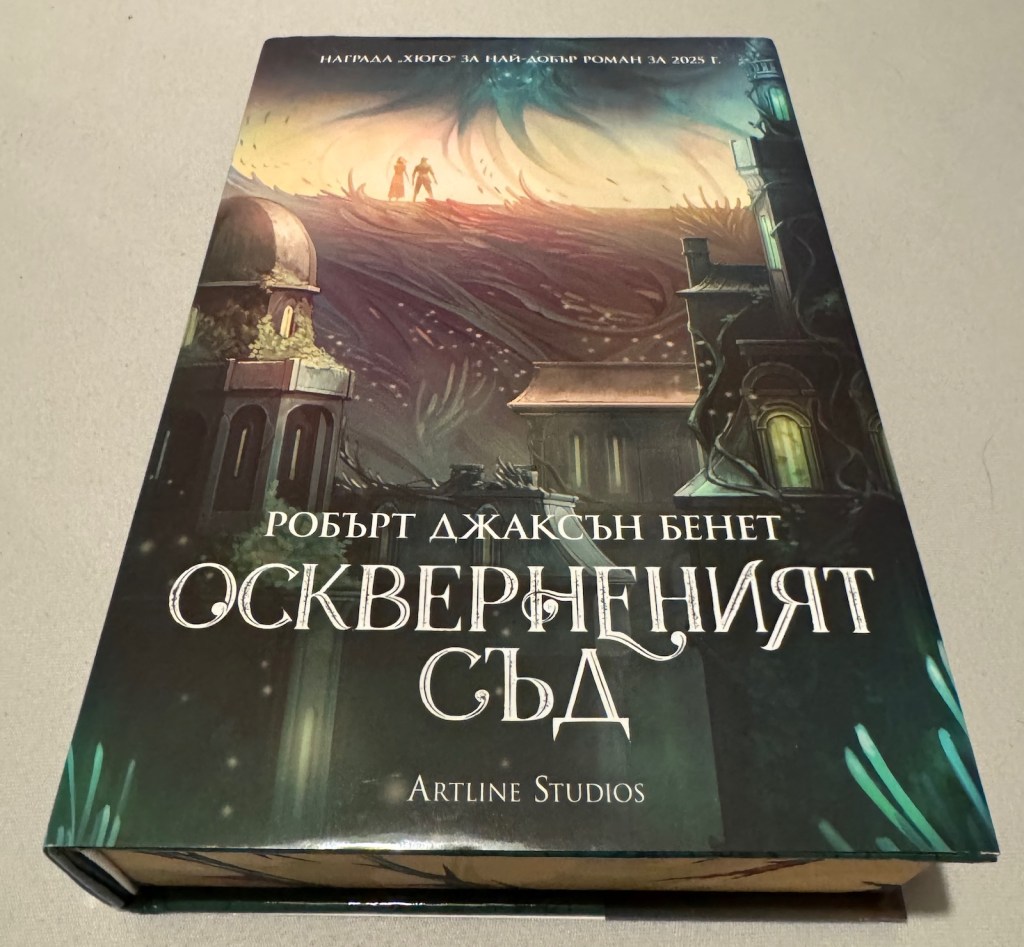
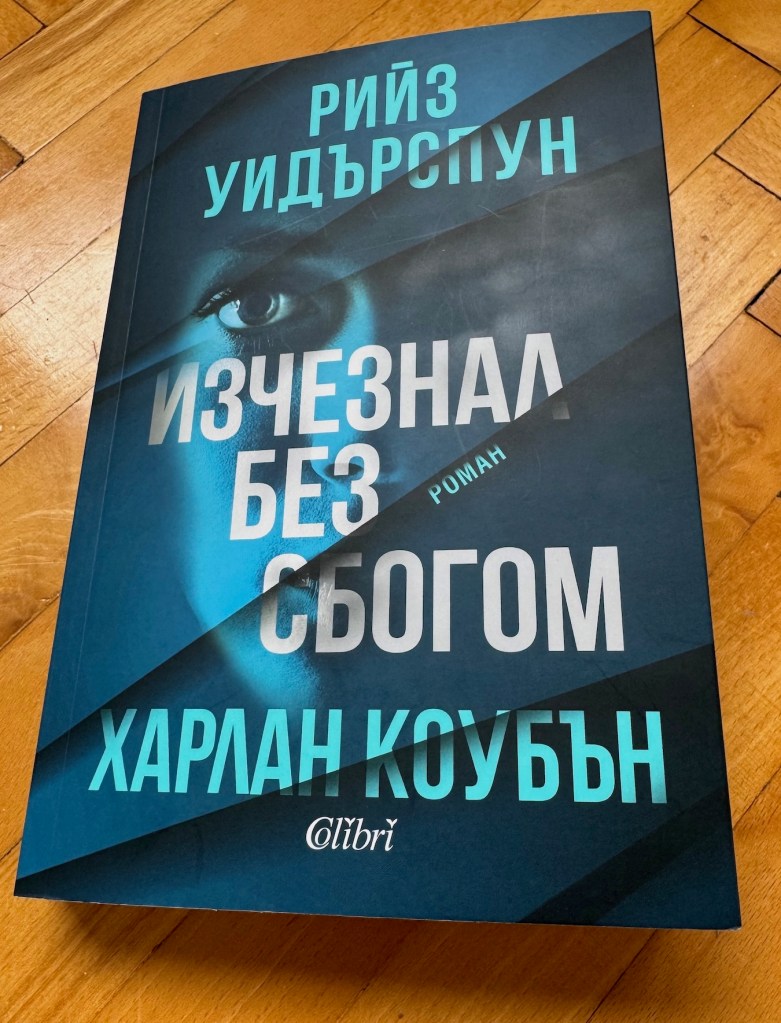
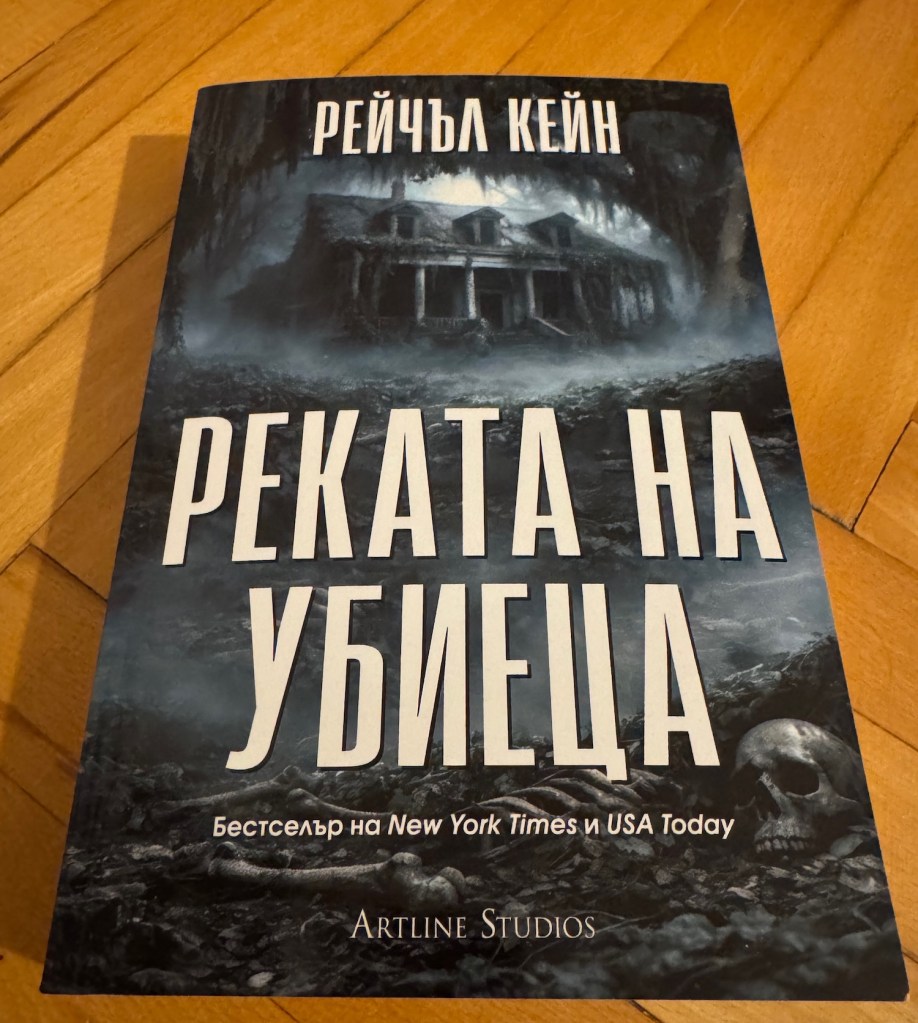
Left to right:

  • Killman Creek by Rachel Caine – a continuation of a very successful first part.
  • Gone Before Goodbye by Reese Weatherspoon and Harlan Coben. Bad Goodreads reviews on this one but I respect both authors and will give it a chance. Harlan Coben has been on a negative trend lately. I hope this collaboration gets him out of the slope.
  • Exit Strategy by Andrew and Lee Child. In Too Deep was a flop but I adjusted my expectations. I now imagine Jack Reacher as played by late-day Steven Seagal – arrogant, slow, and absurd. After reading a scene where Reacher defeated an armed opponent while tied to a table, I expect nothing less. Looking forward to seeing if he can beat an international conspiracy while sitting on a chair.

The Edge by Lucy Goacher, Book Review

Clementine’s sister, Poppy, has supposedly taken her own life. For six months Clementine accepts it as suicide and lives with the grief of not picking up the phone right before it happened. Then new information surfaces, and it starts to look a lot more like a serial killer. Almost right after, it becomes evident to Clementine that the killer might be one of the 3-4 men in her life.

But which one?

At different points in the book, I was convinced it could be any of them. Lucy Goacher keeps us guessing the entire time, pushing the story to a Agatha Christie style grand finale, after explaining all the bits and pieces leading to it.

The book brought to mind the novels by Nicci French, where nobody believes the main character for countless pages and she has to face some dark force entirely on her own. The book is translated by the same translator, published by the same publisher, and designed in the same style as the Nicci French’s series. It’s up to the bar. I marked it as 4/5. It’s more Maud O’Connor than Frieda Klein. A lot more “nobody believes me” than “I’m going to run over the killer like a train and he won’t see it coming”.

February in Books

February didn’t bring any particularly interesting books to my shelves. I was tempted to skip the monthly summary this month but it would break a long tradition. My alternative idea for a blog post was to write about 4-dimensional spheres. Unfortunately, that idea needs more research and lost. After all, have you seen a 4-dimensional sphere?

Best

  • Fleet of the Damned by Allan Cole and Chris Bunch – space opera that shot above its weight. I awarded it with 5*. Looking back, it’s probably a 4* that just looked so much nicer than the series of disappointments before it.
  • I, eater by Alex Kosh – a 5* ghost fantasy that starts and ends nowhere. Alex Kosh is talented and I hope he gets translated to English one day.

Worst

Now that I look at the list, it’s hard to distinguish any book as particularly worst of all. I read a book that had an average of 1* on Goodreads. Was it bad – yes! But was it worse than Children of Time that took me 2 months? Not at all. It was a quick read with an okay idea.

I owe myself some good books. Or a break from reading bad books. Even the best two above were not something you’d want to remember. Maybe I need to find myself something non-fiction to flush my brain.

Fleet of the Damned by Chris Bunch and Allan Cole

The resourceful captain Sten joins the navy and leads a small group of spaceships in the battle against the Tahn. The genre is a retro space opera with dumb computers and ships that need hundreds of people to be operated.

The story takes a sharp turn from what we saw in the previous three. It is not light anymore, not fun. It’s also not clear where we are heading. Things get from bad to worse with no improvement possible in sight. The problems presented are interesting, relevant, and engaging. The level of action reminds of Ender’s Game but unlike that book, the characters are not juvenile or cringe. It is very intense.

On a philosophical note, the Empire is ruled by an immortal emperor who controls the space fuel, an antimatter molecule that powers the spaceships. This leads to all kinds of bizarre negative consequences that we can see around us in areas where one person or a small group of people keeps monopoly over something. Emperor’s behavior is in a sense similar to what se see from the aging dictators of the modern age, like Xi or Putin, caught discussing plans to live forever, while also slowly losing their minds.

The book was written before the personal computer era really took off. It aged well. It’s not too realistic because Sten shouldn’t have survived half of the action but it got me. Clear 5*/5 and probably the best of the series until this moment.