Freedom

20-25 years ago, a friend who just turned 18 shared how he was about to buy a car. “Ok, but why?” – I asked. “It’s freedom”. It struck me as absurd. This was the first time I heard it but I kept hearing it over the years. How’s this giving freedom, given how much of an investment, costs, space, and maintenance it needs?
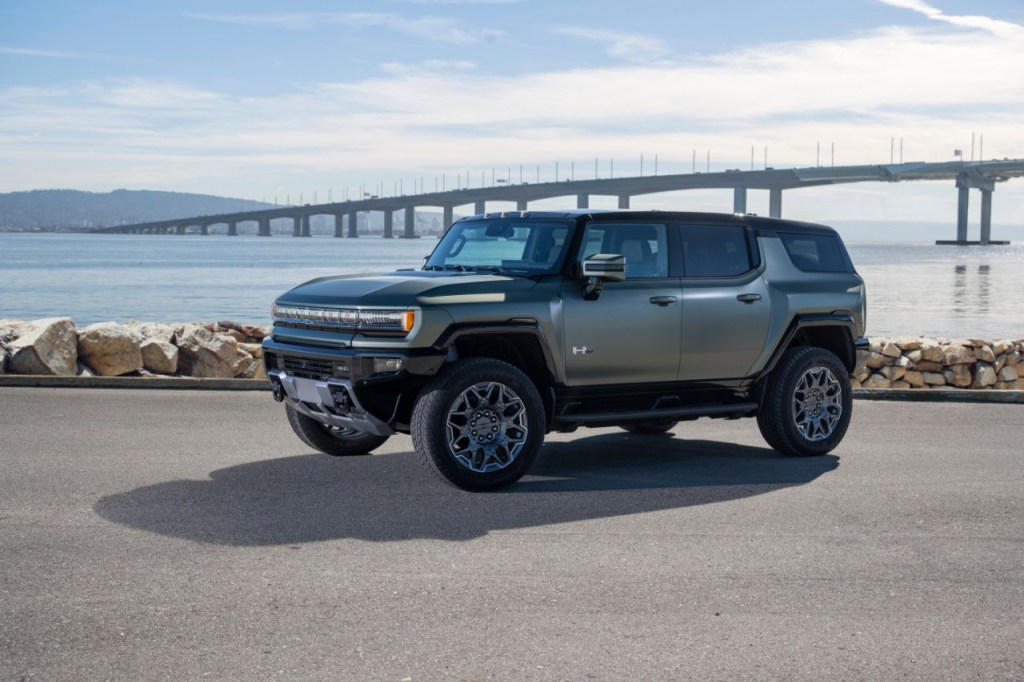
(image credit – GMC)

But I kept hearing it, and at some point my 9yo kid shared that he saves for a car. I wanted to understand and started thinking.

So here are my theories on why people associate cars with freedom.

  • Little kids. We drive them everywhere because our car-first cities don’t make it particularly easy to do things while you have little ones with you. In case you walk, they will resist, want to be carried, and to be back home. If you put the seat belt on, they have nowhere to run – they come with you. From the parents’ point of view, it’s the freedom to do things with kids, like shopping, that would otherwise not be possible. From kids’ point of view, they’re the ones who go to places they don’t particularly like while locked to their seats. The car is controlling what they do and where they go. Owning a car is the actual freedom statement from the parents. So transporting kids provides two plausible theories combined in one.
  • Independence. Close to freedom. Using any form of transportation that you don’t own makes you dependent on other people – taxi drivers, bus drivers, train schedules, and airplane schedules. You don’t need to go very far to experience being locked in an airport with flights delayed or canceled, or to board a shady taxi where you don’t feel safe.

I was torn between the two for some time, but after spending several months somewhat car-free, I now lean toward a third explanation. It comes from this:

(image credit – Cycling Promotion Fund (CPF) Canberra)

69 people on a bus make it a full bus, and people are very close to each other. Same people in cars would be separated from the others with a wall made of glass and steel. So I think we pay all that money to not be bothered by others, then lose our ability to walk and get addicted to cars the same way we get addicted to nicotine. It becomes impossible to do things otherwise.

Understandable intent, bad results.

I’ll keep thinking and exploring the subject.

Car brain

Car Brain – Derogatory term for vehicle drivers, whose cognitive functions have been impaired by the act of driving.

Urban dictionary

I love driving. I used to drive everywhere. However, my cardio fitness became low and last year I decided to start walking to improve it. At first, I tried the treadmill but it was boring. So I started walking to my favorite coffee shop instead of driving, and it wasn’t the easiest thing to do. I sacrificed something I love doing for something I don’t. I set some goals on my iPhone for a number of steps/day, and I would tap myself on the shoulder if I reached 4000/day.

The coffee shop turned out to only be about 8-9 minutes walking from home, under 1000 steps. It is on the other side of a highway and that highway can only be crossed at certain underpasses/overpasses (of course, super easy with a car). One of the underpasses is close, and there are others further away. My brain refused to walk there for years because of this imaginary highway border as if the other side of the highway needed passport control.

Then at some point, I started looking for ways to increase the 1000 steps and make the number higher. So I looked for longer routes and switched to the 2nd more distant underpass. I couldn’t walk that way every day as it was more time-consuming, but I would go if the weather was nice.

Many months later, I started questioning myself – I would walk to this distant underpass but I wasn’t making any steps. I did a hike that took forever, and the health app was quite unimpressed. I walked for maybe 4 hours to barely reach 10K steps. The health app had to be wrong, I surely was making more steps and the phone didn’t count them. So I bought an Apple Watch to tell me the correct number of steps. It got me to a lightbulb moment – all the interesting objects were much closer than my car brain imagined.

The shortest route to the coffee shop was so close that it barely makes a dent in the daily step count. The second one, which I thought was long enough to do 2-3 times/week was less than 1km away (or about 12 min). The third one, which I only conquered 2-3 times before the watch, was about 4000 steps away. In order to increase the steps in a noticeable way I needed to go to the 6th underpass, much further than I could imagine. But that zone had different coffee shops and better public transportation.

That 6th underpass connects two very busy bus stations. Our shared office space was under 5 minutes away with a bus from it. Our kids’ dentist was in the area as well. Some of the utility companies, which I would occasionally visit, had offices there. So I started doing things that I’d normally achieve with a car without it. I now walk almost everywhere, and if I can’t reach it by walking, I try to get there by bus or subway.

Most of the places I’d ever try to visit in my normal life, including my previous commute, would be reachable within 45 minutes with this walking-first approach with or without a few bus stops. Some of these places would need more than 30 minutes by car.

My decades-long driving habit didn’t save me any significant time, it only made me less healthy. So it can be considered a health issue of a kind. The urban dictionary definition has merit, and this barely scratches the surface of car brain-related issues in our community. It may not be a disease but its impact may be worse than one.