The Temple of Gold by William Goldman

I got to this book by pure randomness, using a random book finder. I had no clue it existed before the tool suggested it. My wish was to read something different and with more life in it. The last 2 books I finished were quite grim and had nearly identical serial killers. So here we are – by an act of luck, I got into this strange little world that was so wow.

The Temple of Gold has many beginnings, a little forgiveness, and fewer ends. It feels like a condensed version of the drama of an entire high school from the 1950s plus a spice of hopes, dreams, and aspirations. It is a mess of the kind that could happen and probably happens here and there, often in young people’s imagination or old people’s fears. The main character is not kind or even likable but despite that, the story is so well written and human that I went from start to finish in one try and enjoyed it.

Wikipedia says that when Goldman was in his early 20s, he got rejected by publishers for other work with “We can’t possibly publish this shit.” It’s quite an improvement to go from low-quality stories to world-class writing in less than 5 years. Overall, very happy with the randomizer, it could’ve suggested his prior work 😁

My next book will also not feature a serial killer.
Daily dose of AI

Finance worker pays out $25 million after video call with deepfake ‘chief financial officer’

I can foresee that the “Nigerian Prince” and “We are calling from the bank” enterprises may get fully automated, pushing ordinary criminal copywriters and call centers in impoverished areas out of business. Shall I be rooting for the humans or the AI in that area? Not sure.

The ‘Effective Accelerationism’ movement doesn’t care if humans are replaced by AI as long as they’re there to make money from it

Watching how this cluster of unintelligent technologies impacts us is a bit like watching the end of Fight Club in very slow motion. I keep blogging that generative AI is a form automation that by intent or accident tends to steal content and traffic from human content creators, and I hope enough others speak about it so that it’s heard. This can replace the genuine information with fakes and hallucinations, embedded with the search engines and social media.

What can we do? Blog more. Influence a regulatory change.

Blogging and writing will keep the momentum of human expression, even if it also trains the bots.

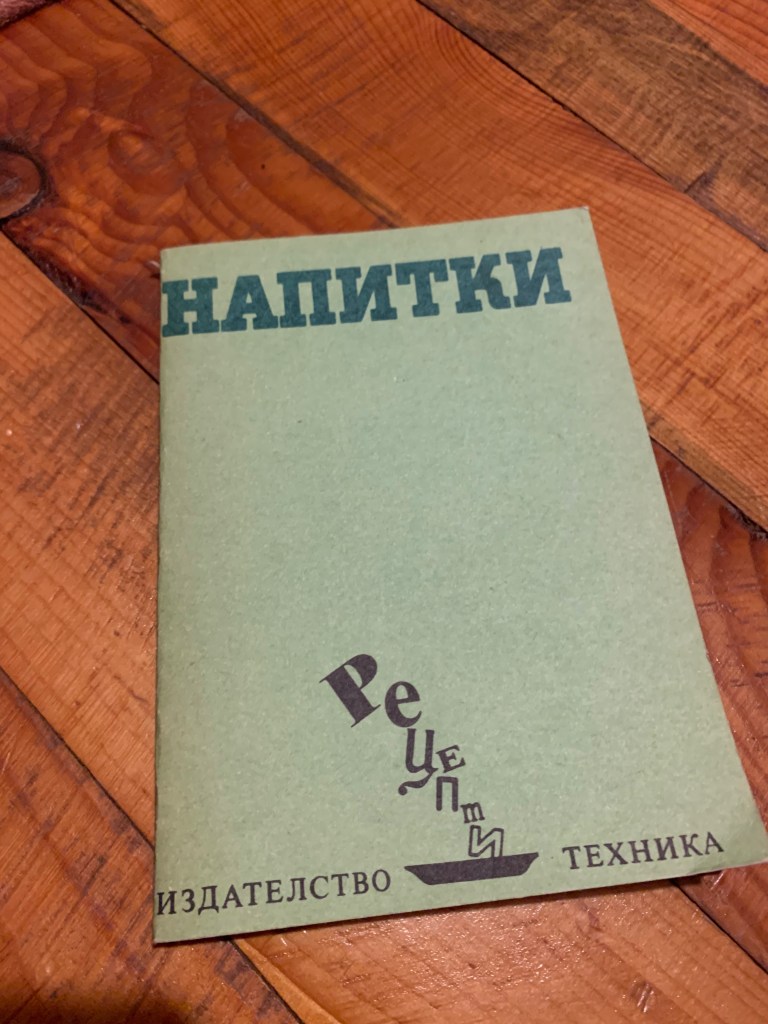
Drinks

Someone in 1983 communist Bulgaria wrote a book about drinks. I was hoping to find a recipe for Boza but found more modern drinks like milk with cocoa. It also had a cocktail with Curacao. This impressed me because this ingredient is imported and my country wasn’t even able to import bananas at that time, let alone alcohol. The book says it Curacao was available in the pharmacies. This must’ve been the case, I’m sure 😂

Crash Course – Matthew Reilly

This is a simple book and part of a series I hope to finish. It comes with promises – there will be races with fighter-jet fast homemade cars. Whatever happens in the race will be decided milliseconds before the finish line. There will be crashes, of course, with speeds that would make the F1 cars look like they don’t move.

This book will teach you nothing. Not even a grain of rice of usefulness. Not a grain of anything that could possibly happen. It’s fantastic, pure joy. 5/5

Goodreads

How to read more books

I like books. I like to read them, to watch them, and to slowly choose them in the bookstores. I also like my Goodreads archive with all the books I read in the last 10-12 years. I don’t like to keep them for too long as they take up a lot of space but otherwise, I love books.

One of my main issues with paper books is that there’s a commitment to read them once you buy them and not all books are worthy. This leads to getting stuck and lowers the joy of reading. Also, lowers my Goodreads score. So, after asking a couple of true readers about that and combining it with my own experience, here’s my short list of tips for how to read more:

  • Buy a book when I plan to immediately start reading it. Buying because something got published creates clutter.
  • Once I figure out a book is not engaging, useful, or interesting, I abandon it and put it aside for donation. Someone else may appreciate it more.
  • I read on the subway. 30 minutes of additional reading per day can translate to 10-20 books/year. Okay, I admit. I hate driving in the city and used the opportunity to advertise the subway. You should use it as well 😊