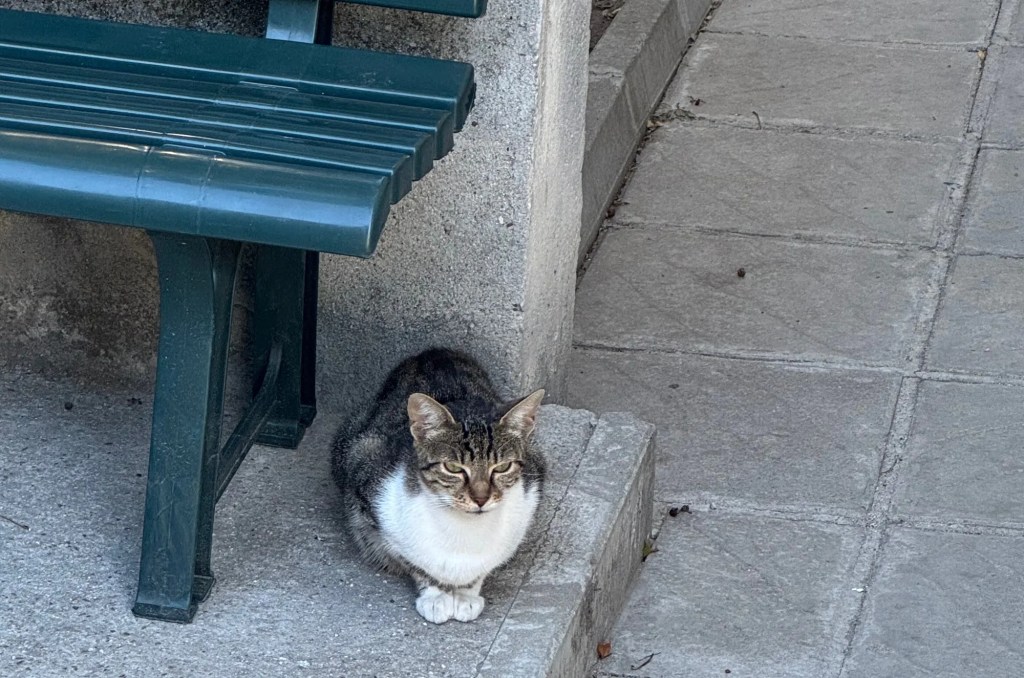
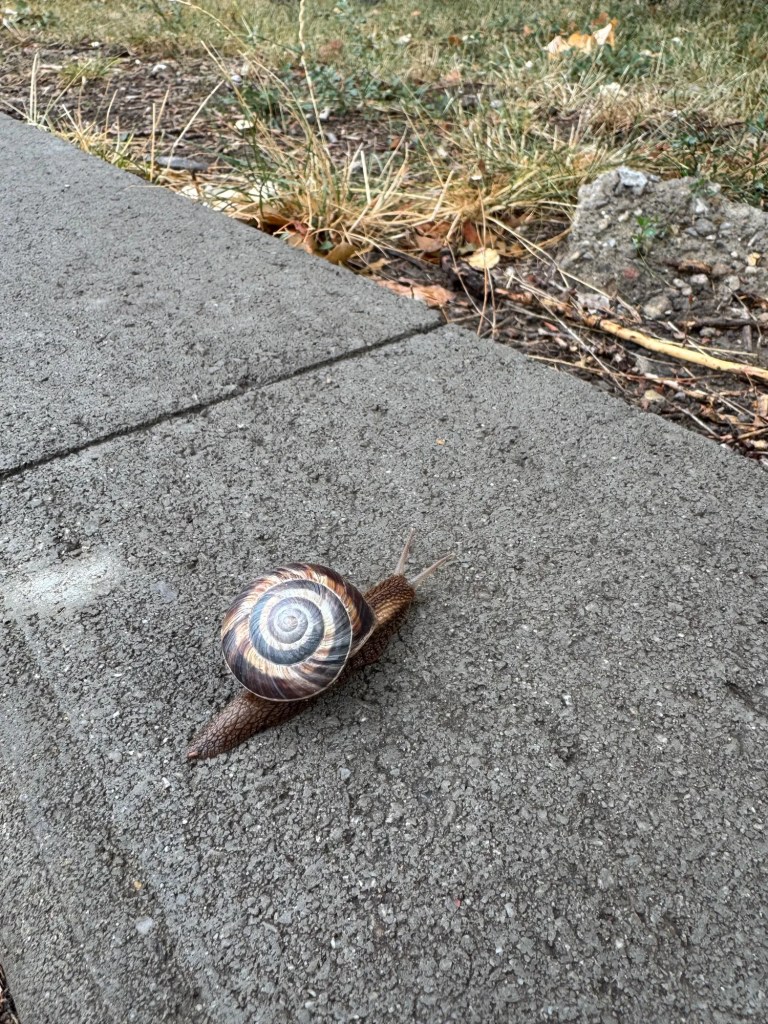
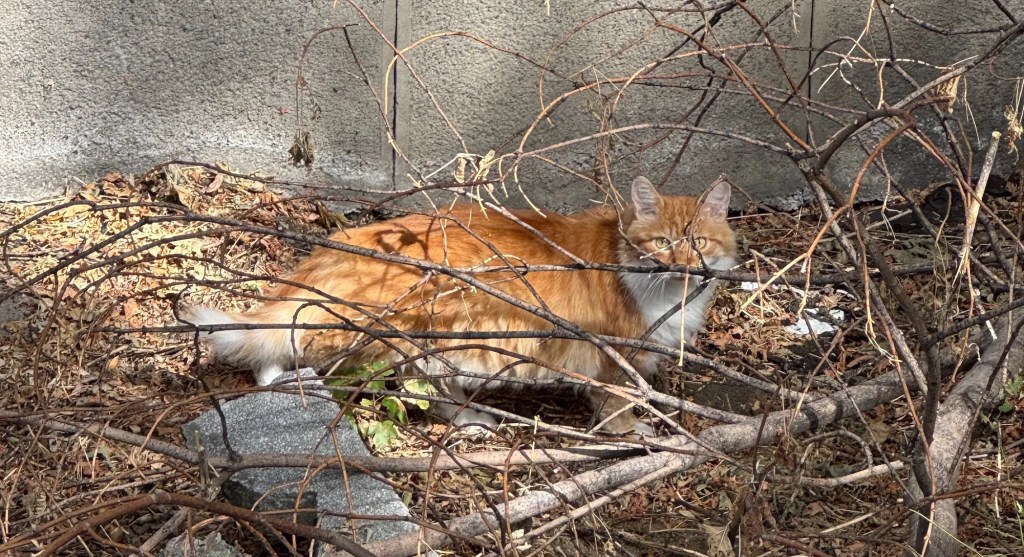
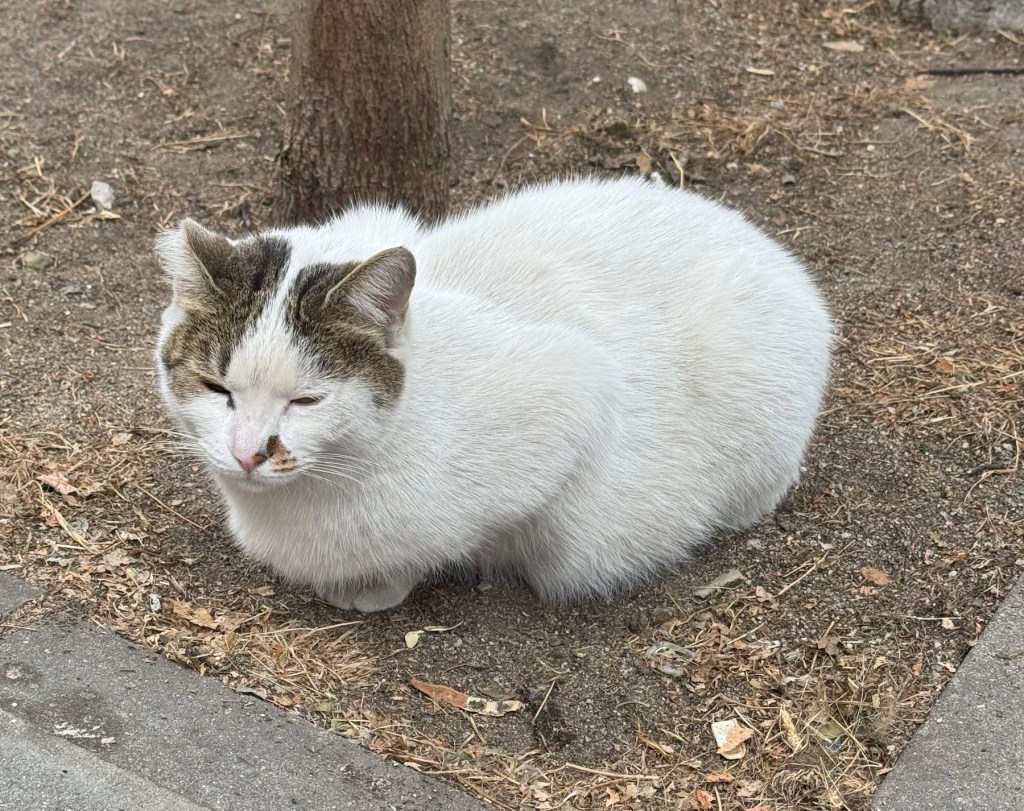
I catch myself not taking cat photos when I spot cats these days. I saw maybe about 10 different cats today but I have zero photos and I’ll soon have to use my brain to come up with blog posts again. Or will have to scroll back the camera roll to the warmer weeks.
This young gentleman looked through me as if I didn’t exist.
Arch Enemy released the new version of Nemesis with Lauren Hart. It’s a completely different song, compared to the iconic 2008 version with Angela Gossow. I’d love to see the live performance. I think it would be quite nice because Lauren Hart radiates energy like a Tesla coil.
Eating and drinking too much can undo any fitness progress you can make. Sooner or later, adults reach the point to try to put eating under control. I love food. I can eat more than I should. I can say that I reached that point years ago. I’ve tried a bunch of things and am currently following only two.
I do my best to not drink alcohol. The rule I follow is very general – don’t drink calories. If it has calories, not a good drink. There are exceptions, I let myself drink beer during meetups and our traditional summer vacation in Greece. I also drink Ayran when attempting to climb a peak. Otherwise, very strict with that. I don’t even drink coffee anymore.
I (do my best to) eat salads. I don’t like salads but here we are. Every single healthy living manual says eating salads is important. I mostly do it because salads make me less hungry for sweets but I know the health benefits are elsewhere.
I know that the real thing I need to do is to stop eating chocolate but I’m still hoping that the salads will somehow be sufficient.
I found that doing an average of 10k steps, counted as a weekly average, is good for me. My goal is 8k on a work day and 15k on a weekend day. But that’s a lot of steps, and it is quite challenging to fit them in the schedule. I do about 1000 steps per 10 minutes of walking, which means 8k is about 1 hour and 10 minutes of time I need entirely for myself.
So, my trick is that I use the budget for regular activities to do steps.
For example, going to the shared office space takes 30 min. Using the shortest route, I can walk for 5 min, wait for a bus for about 5 min, and then and ride the bus for 20. Or I can walk for 35 min, wait for a more frequent bus, and ride it for 5, for a total of ~42. The second route is about 12 min slower, but I make 3500 steps, using 15 min of my commute time for walking. I also do some loops while waiting for the bus to arrive a few hundred extra steps. By doing this, most of my daily steps come from the budget for getting to work and back.
This kills multiple birds with one stone. I see many cats and get enough photos to keep the cat section of my blog well supplied, and the cat section keeps my blog alive on days with nothing good to say.