The Girl With All the Gifts by M.R. Carey, Book Review

Zombies have wiped out humans, leaving scattered enclaves of survivors and rotting food supplies. A little girl is locked in a basement, protected from all the evils. It’s obvious that she’s extremely dangerous, and also maybe relatively ordinary. Like Pandora.

There’s a rule in nature—you can’t have your cake and eat it too. This rule is fundamentally broken in the book. What are the zombies doing to cause an apocalypse? Eating people or turning them into zombies? Pick one. Once a person is eaten, they cannot turn into a zombie because nothing is left. M.R. Carey doesn’t pick one and goes all-in, and then adds even more absurdity to the zombie mechanics. The final result looks like a movie script with scenes written to impress rather than to make sense.

The book is undeniably very engaging and interesting. Melanie is a highly likable main character. Easy 5*/5, and something you can read in one sitting. I’ve already bought the second part and plan to read it after a short break. The zombie mechanics, however, are so unconvincing that I took one star from the Goodreads review and ended with a fair 4*/5.

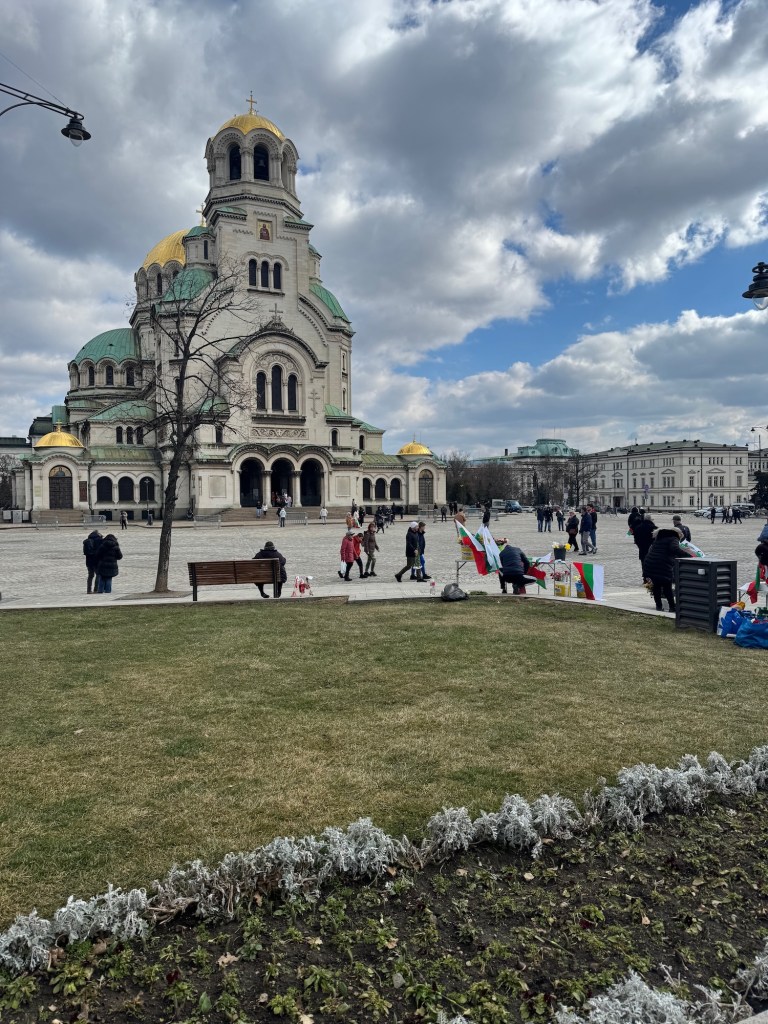
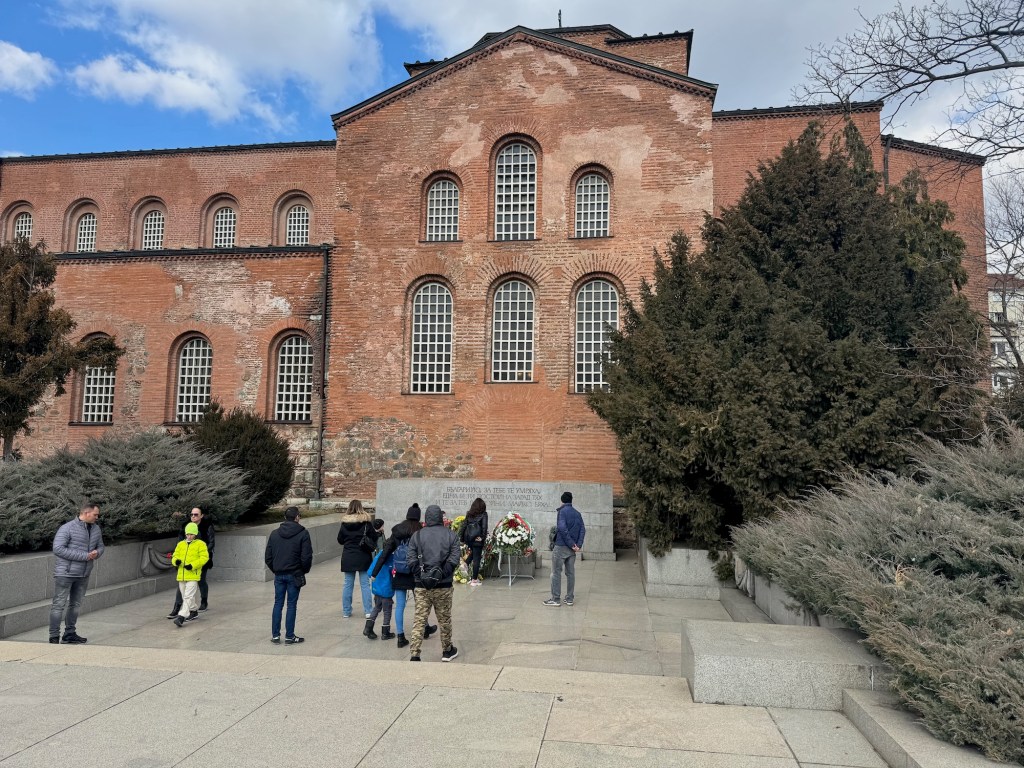
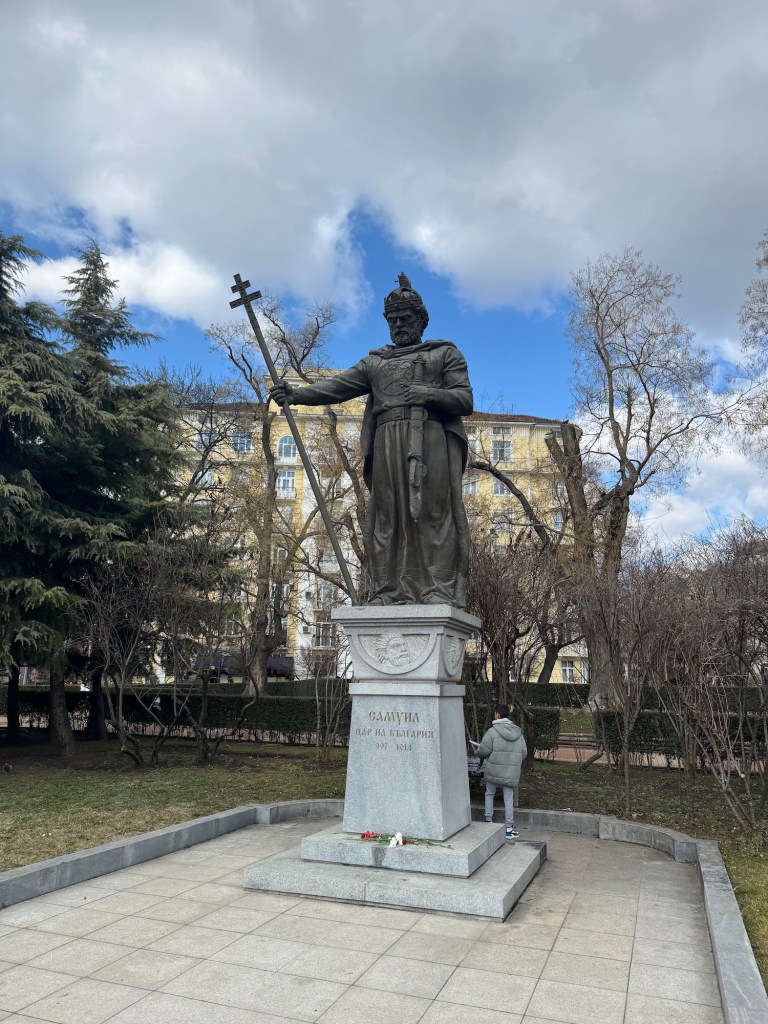
Happy Holiday, Bulgaria 🇧🇬

I visited a few iconic places today to celebrate the national holiday.

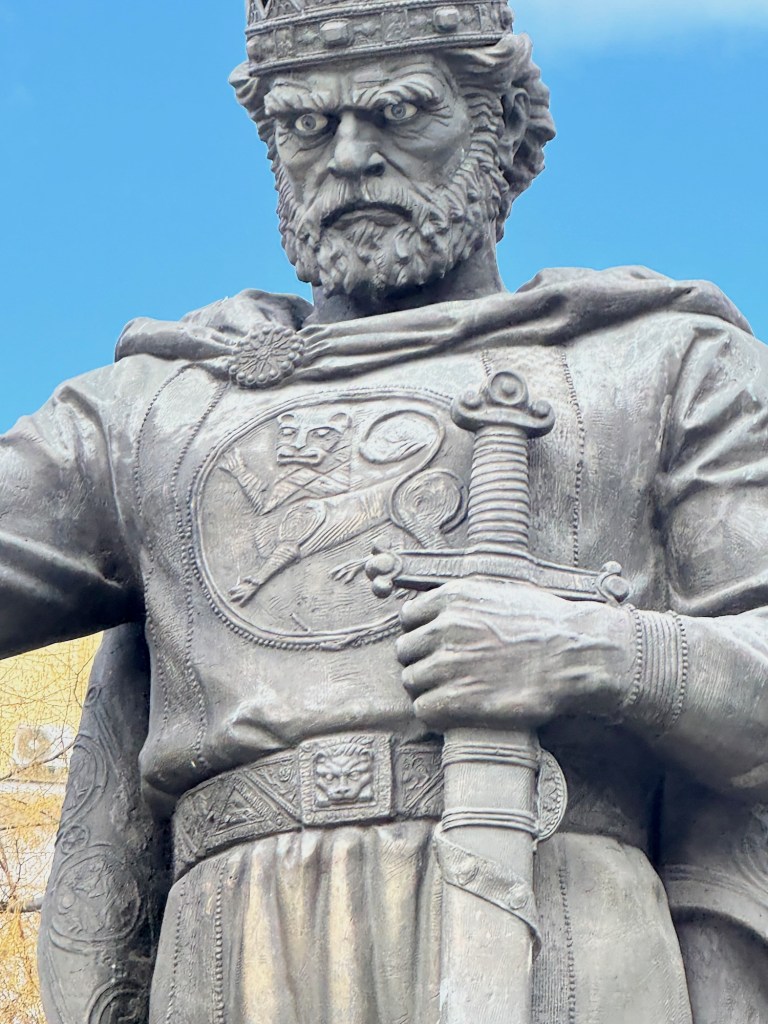
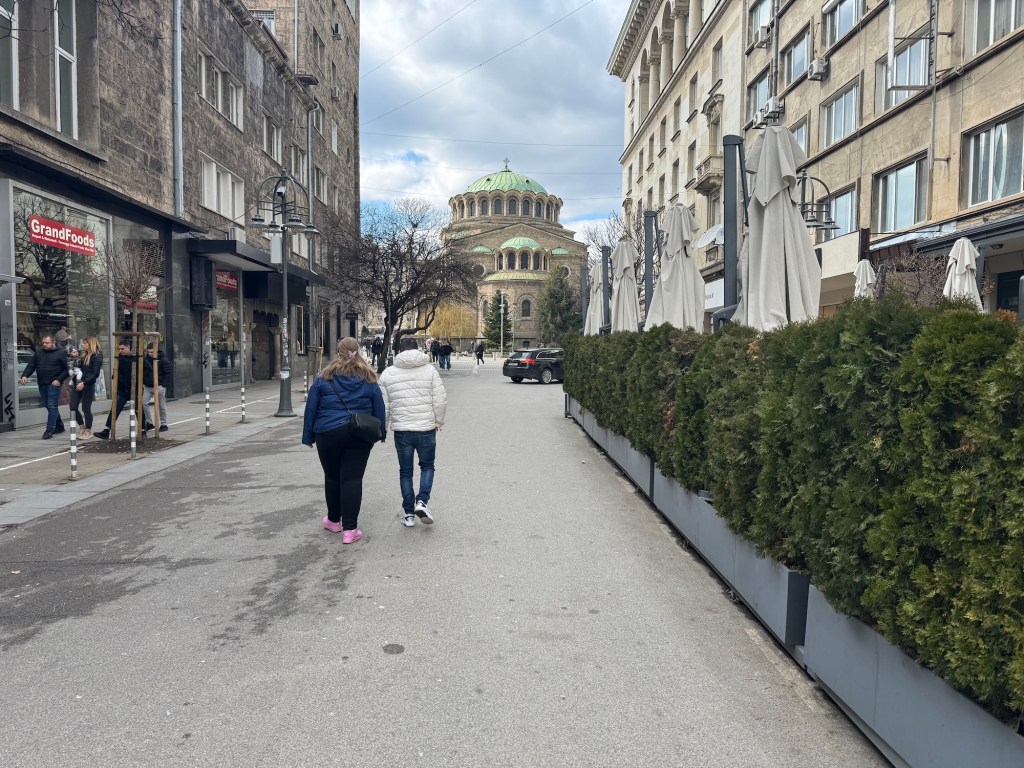
The Nevski Cathedral, St. Sofia with the eternal flame, and King Samuil’s statue.

This is King Samuil, watching if you click like.

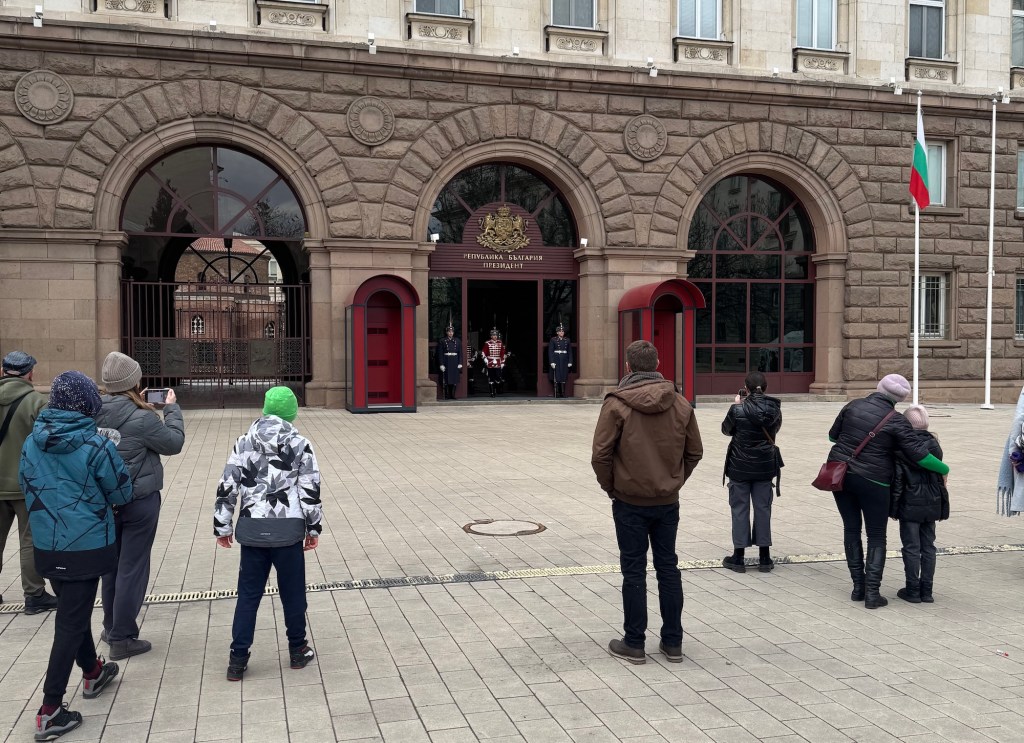
The other cathedral, St. Nedelya (we have two), the Largo with the St. Sofia statue in the distance, and the president’s office with the guards.

Vitosha Boulevard, The Palace of Justice (The Court House), and The Parliament, with the Horse, an ancient TV truck, and the Cathedral in the background.

There will be fireworks in the evening. I hope we have a chance to go and watch them in person.

Retribution Falls by Chris Wooding, Book Review

A fantasy world with multiple types of sorcerers, various races, demons, necromancers, and a living sword similar to Kamigoroshi and Nightblood. On top of all that, we have pirates, airships, and fighter planes. Almost like One Piece with aircraft. How cool is that?

Ketty Jay is a plane-aircraft carrier, though it’s more of a dirigible by description. The crew consists of fugitives, people with guilty consciences, or both. Over the course of 530 pages, we get to learn about their sins and weaknesses. Even though they are murderers, thieves, and generally unpleasant people, they somehow manage to stick together. Chris Wooding gives us one or two explanations for why that is, but overall, the crew’s loyalty probably needs more exploration in the sequel.

The captain of the Ketty Jay is Darian Frey. He’s a selfish smuggler and pirate who has the habit of making terrible mistakes. He makes a big one and the book is about his attempts to fix it. We will learn that this was not his first blunder, not even the biggest one. The blunder is that he trusted the wrong person who set him up for a trap. Frey is in a need of retribution. However, Retribution Falls in the book is some Tortuga-like pirate city that makes no sense in a world with fast-moving aircraft, and the Dorian Frey’s retribution is just a coincidence.

The book is long and feels a bit sluggish at times. I could only manage a few chapters at a time before it somewhat hooked me. After that, it was okay—still close to the kind of stories I tend to DNF.

I think a 4*/5 rating is fair for a unique world (5/5), a relatively original story, and a solid group of misfits weighed down by a bit too much detail and some plot holes (2/5).

I plan to read the sequel, but not right away. Currently reading another book by M. Carey and it sets the bar too high.

February In Books

I purchased lots of books in February but only read eight. The two best were the two that had been stuck on my unread shelves for months, if not years. I read them to clear space for other books and was pleasantly surprised.

Best

  1. The Fifth Season by N. K. Jemisin – I have to admit I purchased that because the book cover was pretty. The book itself was written in a strange way but it stuck and I think it was the best for the month, although the competition is close. The volcanic Earth where humans can cause earthquakes and volcanic eruptions is quite memorable.
  2. The Wisdom of Crowds by Joe Abercrombie – Abercrombie delivers a lot more of the same in both good and bad sense. The Wisdom of Crowds is mind-blowing but also 750-ish pages, 250 longer than the necessary to be my top pick for the month. Savine dan Glokta doesn’t disappoint.
  3. Nettle & Bone by T. Kingfisher – an excellent short fantasy with a simple idea and a complex magical system about domestic violence, curses, and fairy godmothers. Although a fantastic book and a clear 5*/5, the other two were more impressive. I’ll happily read other works by the same author.

Worst

  • Extremis by Barry Eisler – I gave it 4/5, 2 weeks later I’m ready to adjust it to a solid 3. It was clear what will happen from the first page, and it happened in a slow motion.
  • Operation Star Guest by Lubomir Nikolov – I read the flying saucer book from this post but unlike the other books by the same author, which I frequently award with 5*, this came as sloppy and rushed. We are on a mission to find a flying saucer and contact an alien civilization. What do we do? Worry about food because we didn’t pack any and how to start fire. Yeah, no.

Overall, a good month for reading with a total of 8, five of which got five stars.

Do you believe in karma?

Karma means that our actions accumulate imaginary good and bad points, which we eventually cash out. While we can find anecdotal evidence this is true, it can also be a major source of anxiety. The expectations usually don’t match reality.

Let’s imagine, for a moment, that karma exists in two forms:

  1. Positive Karma – You do something good and receive an unrelated reward.
  2. Negative Karma – You do something bad and get penalized in an unrelated way.

Negative Karma

FAFO (F*** Around and Find Out) undeniably exists—actions have consequences, sometimes immediate and harsh. Speeding increases your chances of a crash. Drinking and driving can still get you pulled over and your car taken. FAFO.

The idea of negative karma assumes that good and bad karma points don’t cancel each other out. You can save an abandoned kitten, put it in your car, then drink and drive—and FAFO will produce the same result, regardless of your earlier good deed. The kitten might even increase the odds of a crash.

The problem with believing in negative karma is that life constantly hits us with setbacks. Small ones, big ones, unexpected ones. Was that bad news today caused by my road rage last night? Probably not. A lot of what happens to us is random. Believing in karma can make us assume responsibility for things completely unrelated to our actions, which can be mentally exhausting.

Positive Karma

The reverse-FAFO is even more suspicious-the idea that doing good leads to good things happening to us.

Giving money to a beggar might make us feel great. But was it truly a “good” act? Maybe, maybe not. Then, five minutes later, something positive happens. Was it caused by our kindness, or was it just coincidence? Likely the latter. Most good deeds don’t trigger rewards, and many aren’t even really good.

This positive karma idea ties to a cognitive distortion called “Heaven’s Reward Fallacy”—the belief that if we put in effort and do good, we are guaranteed a positive outcome. Sometimes, yes. But just as often, the opposite happens.

People have understood this for thousands of years. In Bulgaria, there’s a saying: “Do good and throw it behind your back.” In other words, do good without expecting a reward. Some of that is also in the Bible (Matthew 6:1-4). The biblical positive karma exists as long as you do your good deeds in secrecy.

Do I Believe in Karma?

I believe we should be kind and understanding toward each other—not because the universe will reward us, but because life is tough. The only way to make it tolerable is if we all make an effort and help each-other.

So, do I believe in karma? No. But I do believe in the principles behind it: We should hold ourselves to a high standard, take responsibility for our actions, and strive to do good—without expecting the universe to pay us back.