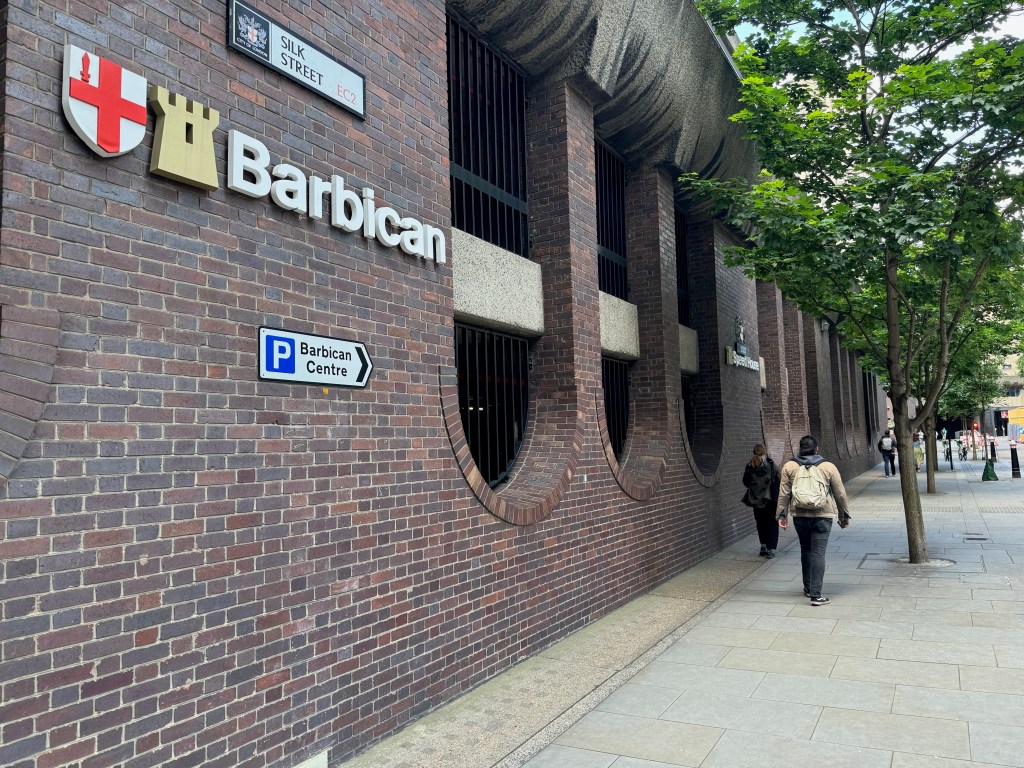
Barbican Centre is a collection of concrete high-rises and old blocks in the City of London I’ve never paid attention to. I watched a talk by Nickolas Means on Day 1 of LeadDev about the history of it, who designed it, how it was built, who built it, and the how, and whys behind a bunch of other things like roads and rails. The process was quite impressive and completely turned my view about it from “ugly” to “impressive” although not necessarily “beautiful”.
The architects and the city planners navigated complex constraints and built for success. For example, the main hall had to be dug deep into the ground because the planners realized a successful hall needed residing musical organizations, and the two willing to use it, needed a larger venue. So the engineers identified the constraint, found a solution (dig deep), and built for success.
The proactive requirements and constraints identification lasted many years but the final result stayed and became a landmark area. The approach was not different from what has to be done in the software world when starting a complex refactoring initiative, although in the software things need to move a bit faster. Perhaps that’s why some people in the code world like the title Software Architect 🙂
I personally find the Brutalism and the maze-like corridors overwhelming.
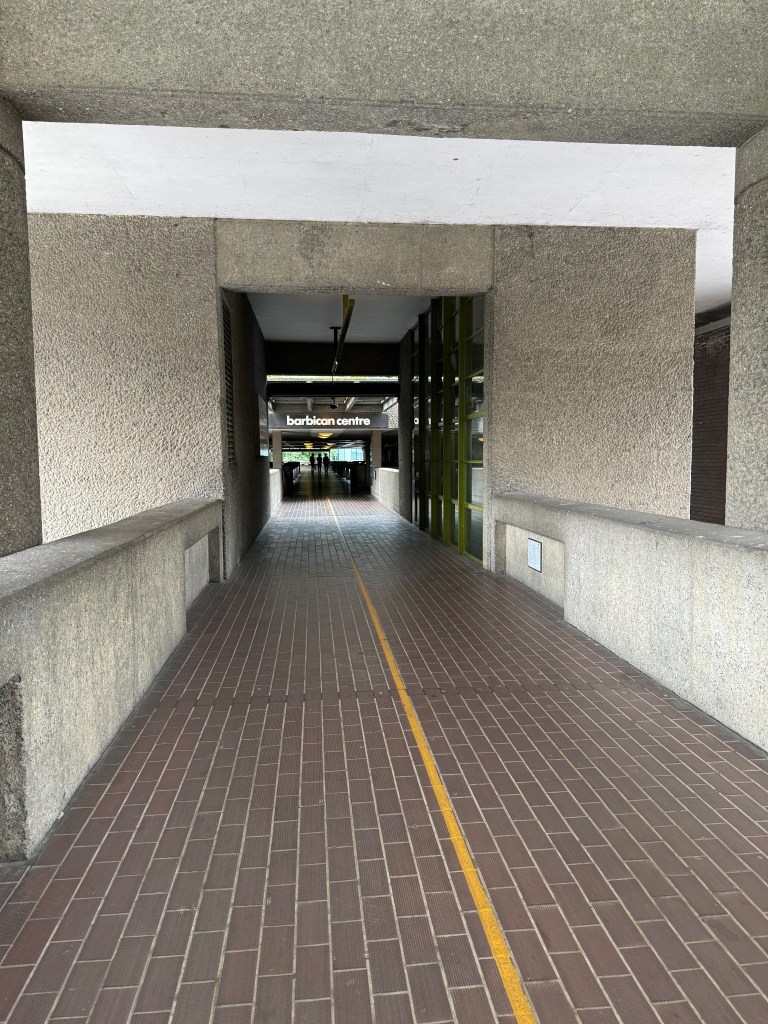
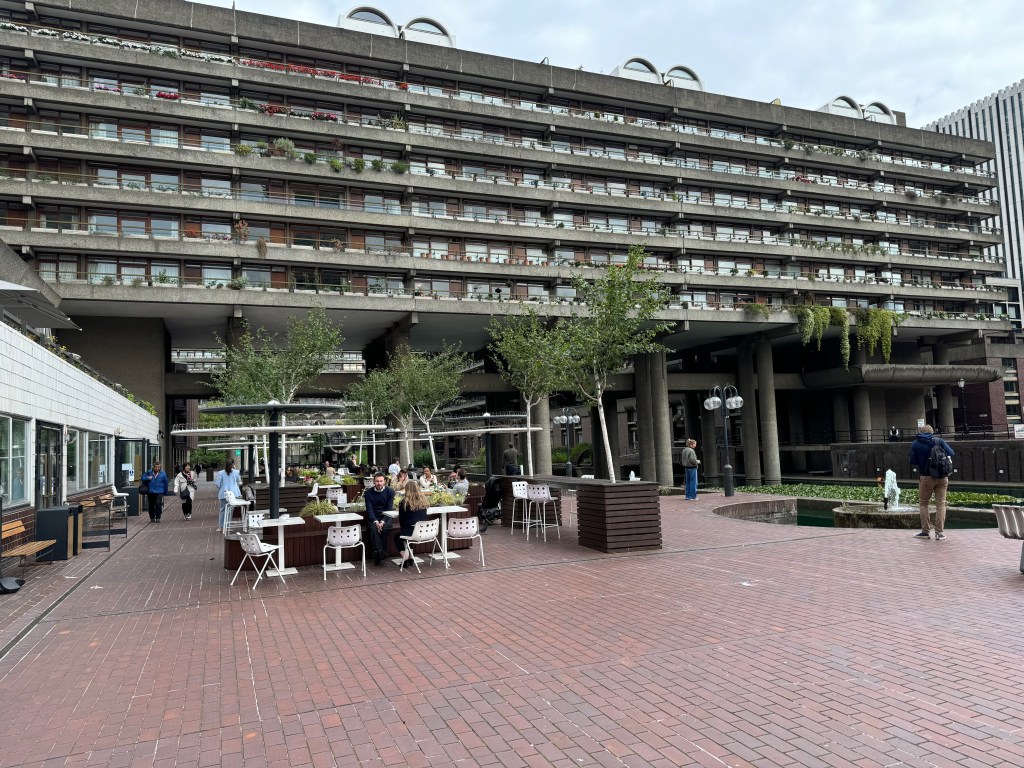

The best part of Barbican for me was how cars were hidden beneath. Also, the bar that filled quickly with well-dressed people after work. It radiates life, while many of the brutalist buildings in my country radiate decay with their rusty walls and old windows. This was also predicted – the builders used special stone in the concrete with less iron so that the concrete would last longer without looking rusty and old.
 Veselin.blog