The first ten minutes

My 2024 fitness goal is to walk 10k steps per day on average. It’s a tough goal – 10k is 1h 40 min of walking per day, 3.6M steps annually, or 511 hours of walking. That’s a non-trivial amount of time and effort, especially on work days. Busy on Monday? Do 4k steps and you’re down 6k to make up on another day. Got Covid? That’s an easy 70k steps down, which need +1k/day over the next 70 days to catch up.

I tried a variety of tactics to keep the number above 10k. I did morning walks, replaced the city driving with walking, did 5h long weekend hikes. And when the winter season started, I got to under 10k anyway.

My new attempt is catching up with the treadmill in the evening. But it’s super difficult! I’m ready to give up any second during the first ten minutes of indoor walking. Not sure how to overcome that dread. I am so close to achieving the 10k annual average 🙂 Maybe 6-7 treadmill walks away. It’s either the treadmill or going out at 10pm in cold weather, with mud and darkness.

I’m open to ideas.

Borisova Gradina during the brightest part of the day.
Cindil Pindil and Djasta Prasta

Once upon a time, a widow had twin daughters with very different personalities: Djasta Prasta was lively and cheerful, while Cindil Pindil was quiet, hesitant, and cautious. When their mother gave them fabric to sew dresses for Easter, Djasta Prasta eagerly began working—cutting, sewing, and fixing mistakes as she went—finishing her dress in time for the celebration, even though it had issues. Meanwhile, Cindil Pindil spent so much time worrying about making mistakes that her dress remained unfinished.

When the festive bells rang, Jasta Prasta joined the dance in her new dress, while Cindil Pindil stayed behind the fence, watching in tears. From that day on, people say it has always been so: “Cindil Pindil behind the fences while Djasta Prasta dances”.

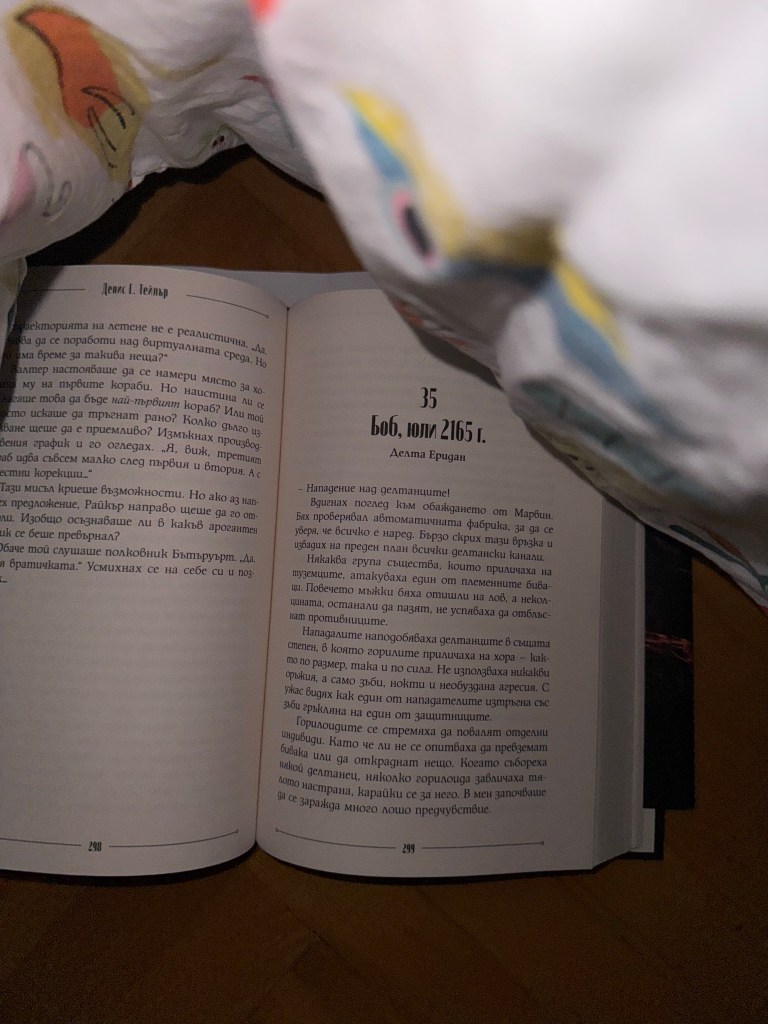
This is a short version of the Bulgarian folk tale, written by Georgi Raychev in the 1930s. It became part of the culture of my generation. Felt inspired to publish it here after mistakenly sent out a test post to my subscribers. Sorry about that! 🙂

Saint Sofia

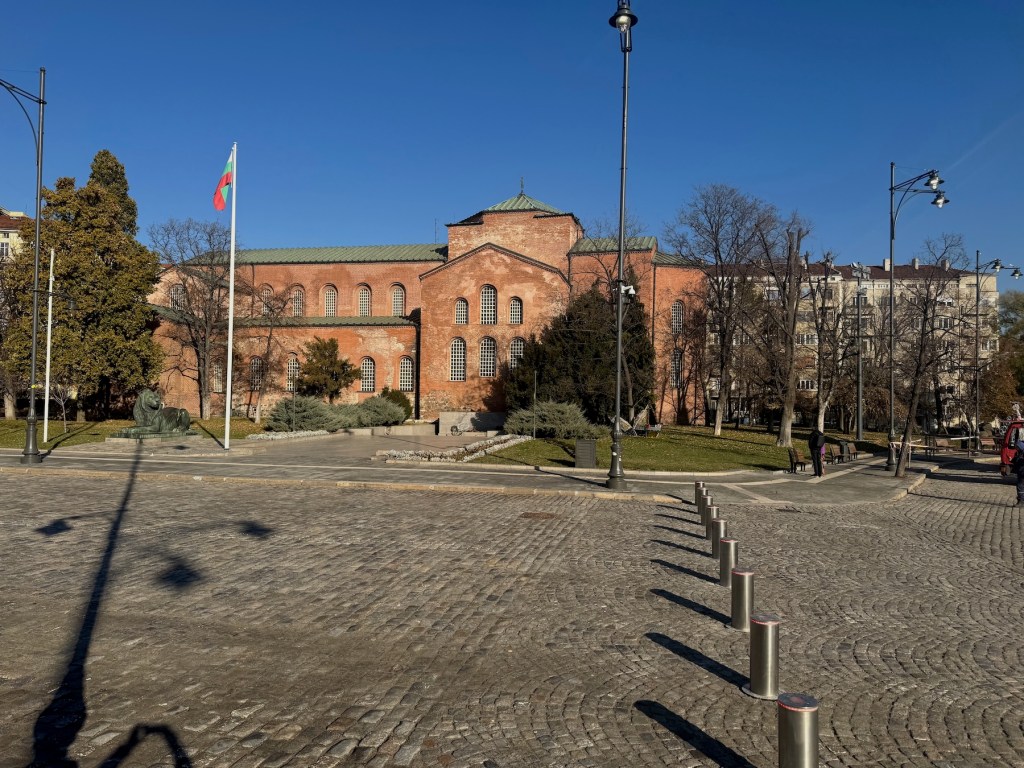
Saint Sofia is the church that gave the city its name. It was founded in the 4th century and rebuilt several times, primarily because of earthquake damage. The present-day look is roughly the same as it was in the 500s. It doesn’t have a bell tower, unlike all the other nearby major churches, and to this day uses an old tree for the bell.

The photo is from a week ago.