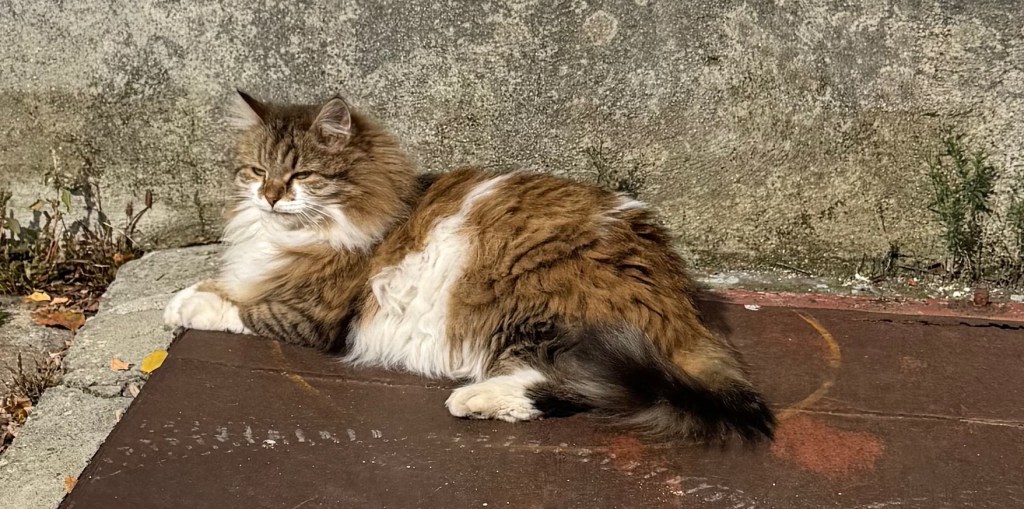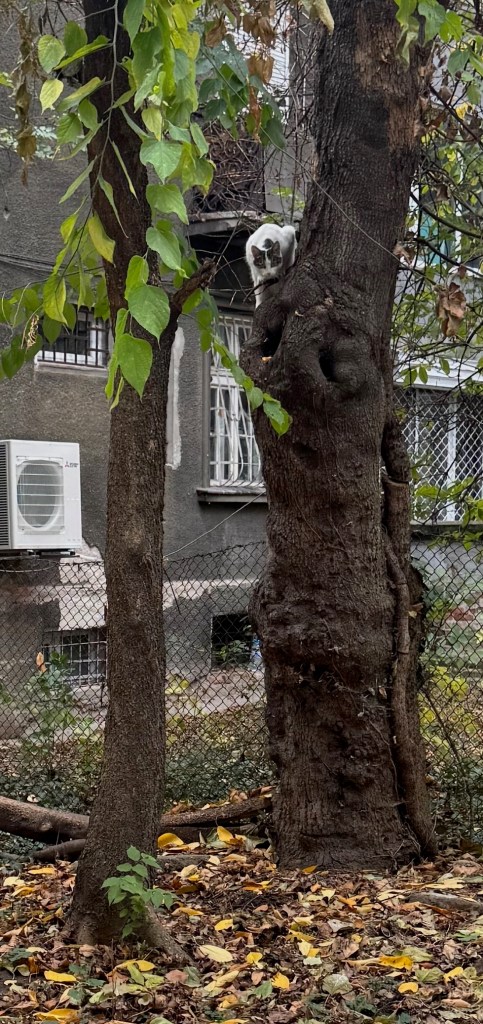

A shy yard cat observing for danger.
Cats, good books, AI, and religious walking in the city of Sofia
A shy yard cat observing for danger.
Publishing books with covers that are all part of the same image is still a relatively uncommon practice in Bulgaria. There have been some nicely designed series over the years, but not many that build a consistent visual identity across multiple titles.
This is the Nebula sci-fi series, featuring titles like Murderbot, Silo, and others. I’m curious to see how long this publisher plans to keep the style going. Something with the perspective feels limiting, as if it should end within 2-3 books.
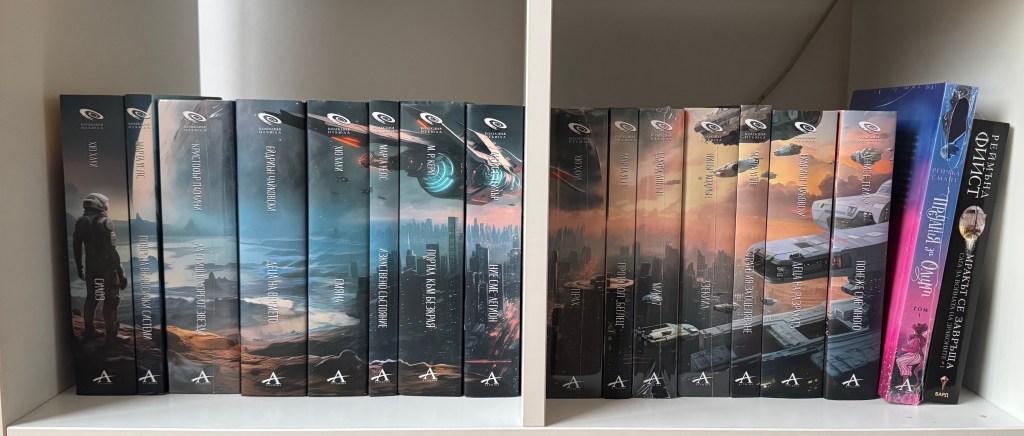
And here is my success with the books, green are those I already read, red are those I did not start or did not finish. Overall, very solid books so far, mostly 5/5 with a rare 4/5 here and there.

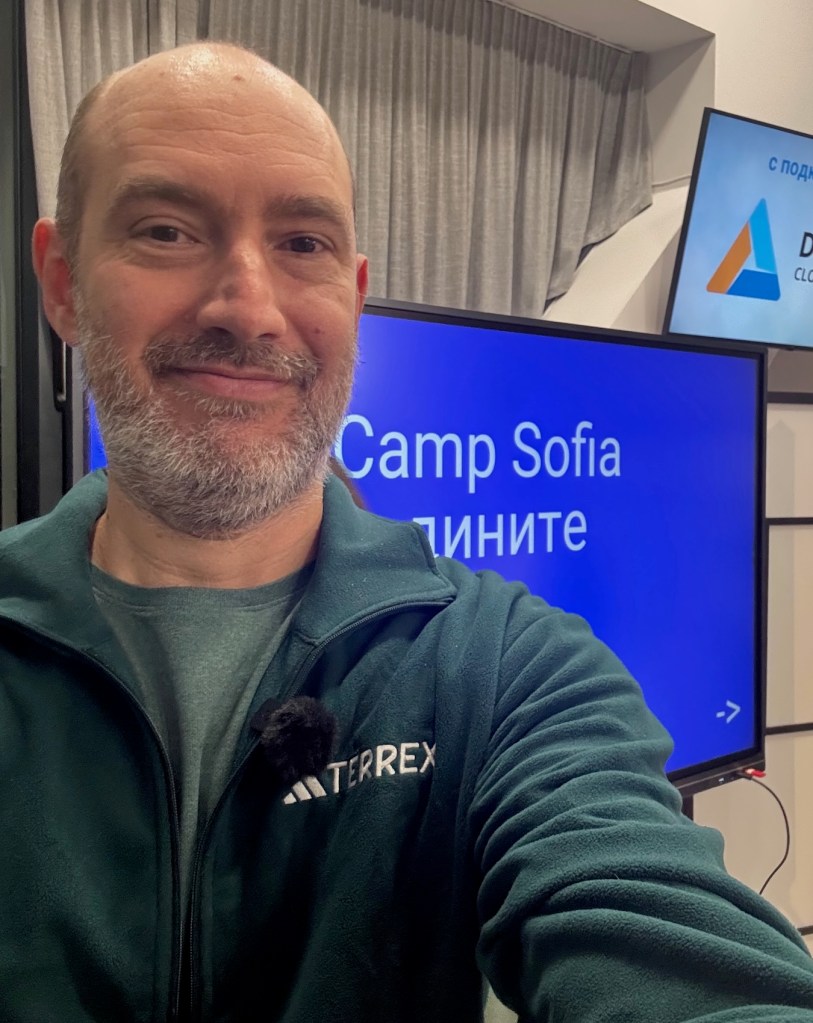
I had the opportunity to speak at the WordPress Sofia Meetup today. My first talk in a really long time. Happy that the organizers invited me. The event had food, beer, good folks, and a social part that was far more interesting than my talk.
Just for the record, a speaker selfie, no-hat Tuesday.
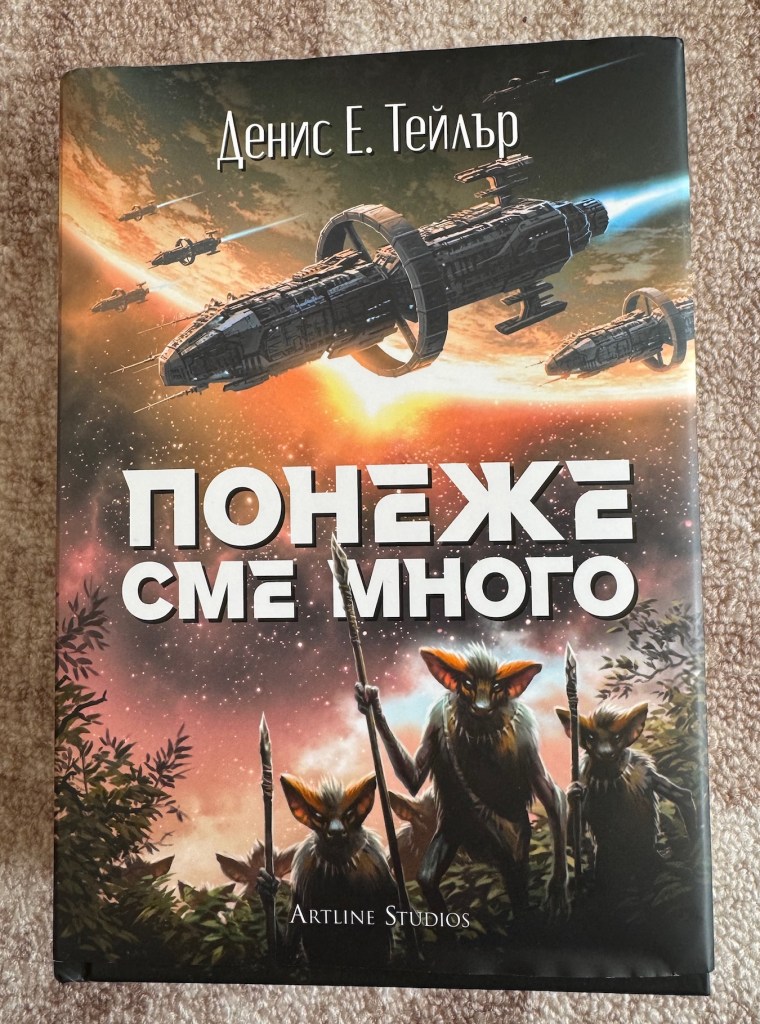
In the second part of the Bobiverse series, the self-replicating Bob probes have now reached dozens of star systems, and their mission has grown far beyond exploration. With Earth in a nuclear winter, the Bobs take on the monumental task of coordinating humanity’s evacuation. In book 2, Earth isn’t the only place in trouble. In the nearby stars, two other civilizations face extinction, and the Bobs can’t help but get involved.
Meanwhile, a new threat threatens to end humans – the aliens called “Others.” Although their presence remains mostly peripheral, it’s clear that they will have to be dealt with.
The challenge that this book faces is that we now have lots of bobs and neither gets enough spotlight to make a difference between them, except maybe Bob 1. But Bob 1 doesn’t do anything interesting.
5*/5, I liked the book very much and recommend the series. My copy is part of the Nebula series, which has matching. Bob sits next to the Murderbot and Silo.
This fluffy ball is, I think, a restaurant cat. Lots of the restaurants here have semi-stray cats that would help the customers eat their meat, if they’re having difficulties. Meow.