Bansko in 2026

Bansko is a winter ski resort town that’s rebranding to a summer resort.

Twenty years ago, Bansko was tiny. It had a small old town with historical buildings where people actually lived, a large museum for a person the communists really liked, and some restaurants where you could actually eat without spending a fortune. It was a place you’d visit on your way to the mountain and back, eat tarator, and drink beer.

Over the years, it gained a larger ski zone with a gondola, a million hotels, and became very busy in the winter. However, summers remained mostly empty with most hotels and restaurants closed until next winter. We would roam around between the 4-5 functioning nice restaurants. Even the nicest were still mostly okay price-wise, just a few started turning into tourist traps.

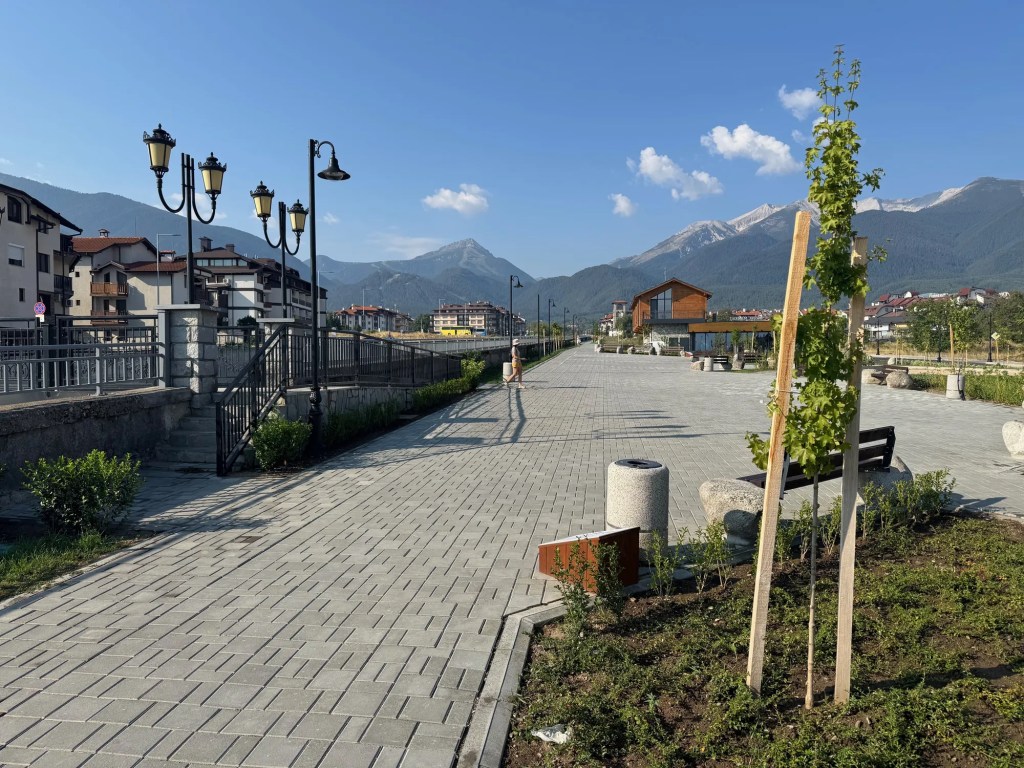
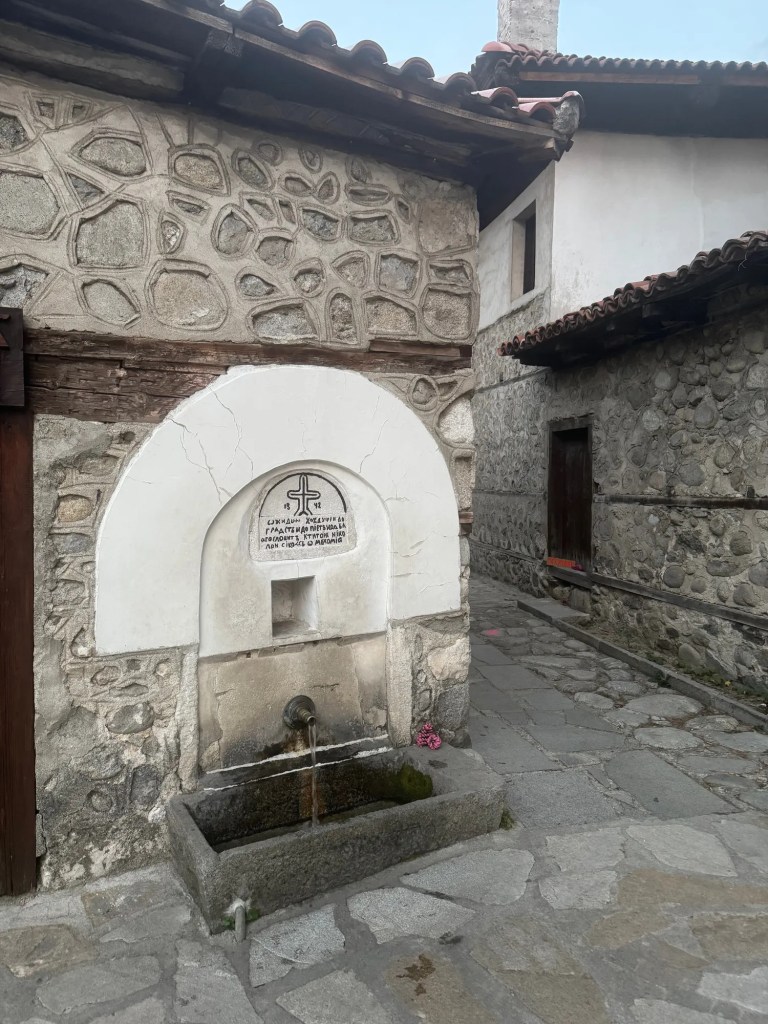
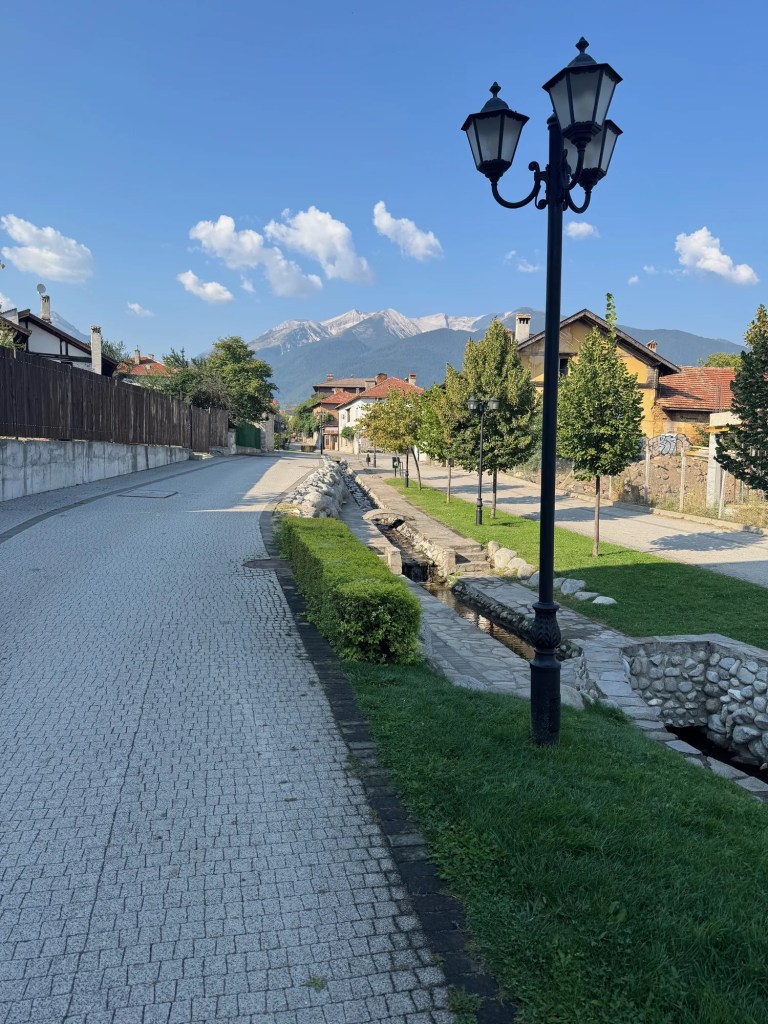
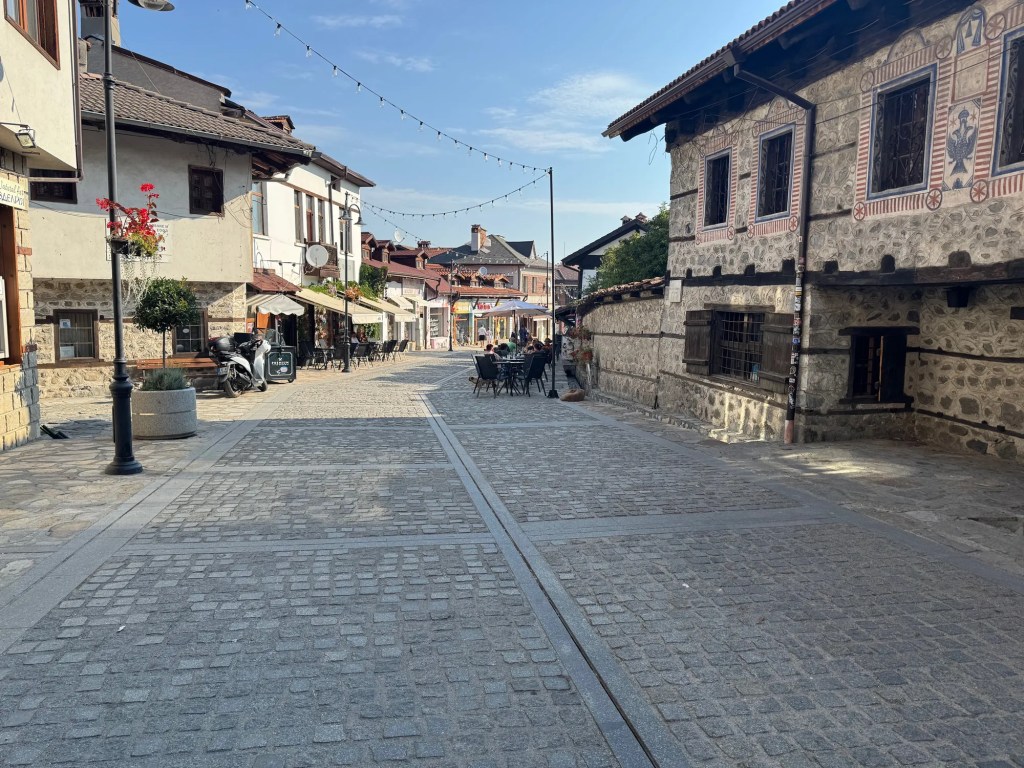
Something started changing over the last 2-3 years. The municipality started rebuilding the central streets and sidewalks. That process is pretty far ahead already, as you can see from the photos. The walking areas now stretch for many kilometers, historical buildings have been restored, the river has been cleaned, street gyms have been installed, and so on. It worked, and Bansko is now so full of people in the summer that it’s the busiest I’ve ever seen it. Restaurants that didn’t even exist last year are open, working and full of customers, with only a few still closed for the season.
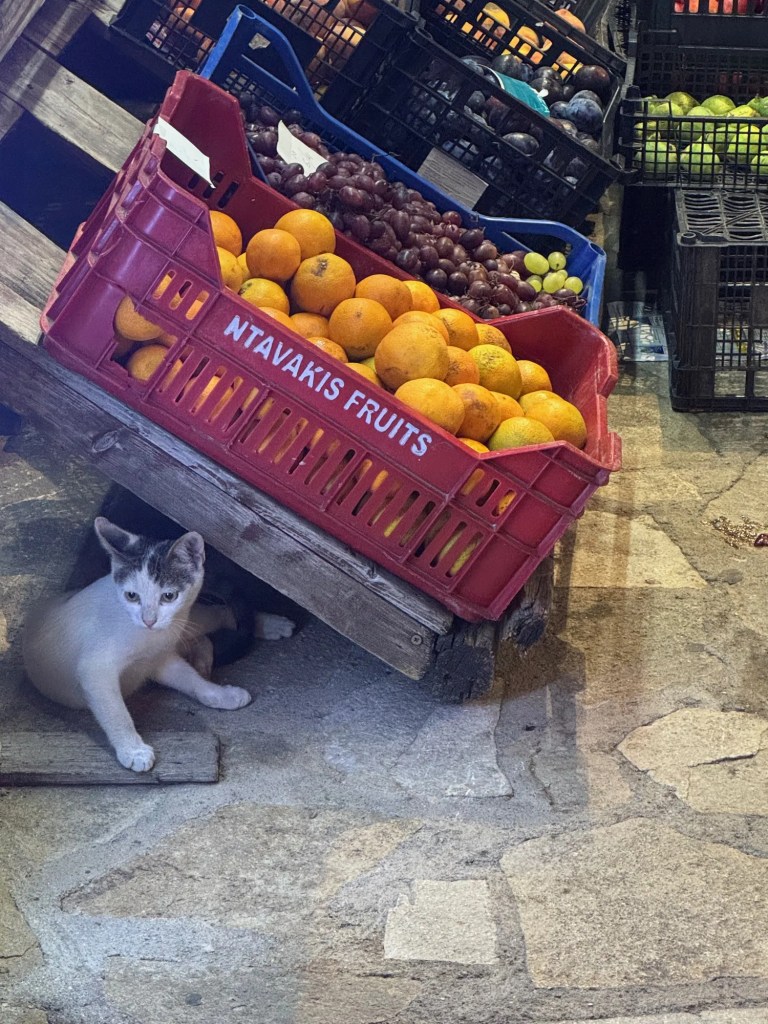
Cats are everywhere

Unfortunately, I’m not sure I like this new Bansko as much as I liked the old one.

  • More foreign tourists have driven the prices up, and they are reaching levels that are not okay for locals. Prices are at least 30% up since last year.
  • The hotel we used to visit every year (Lucky Bansko) started charging us €60 extra per night for our big kid. I paid this a few times but it got under my skin and I decided that enough is enough.
  • Food quality at the central restaurants is noticeably lower. I suspect they had to hire some unskilled kitchen workers, which led to both compromises in taste and in hygiene. I can no longer recommend eating there, after decades of being a safe town where the food was generally fine everywhere.

We won’t quit going to Bansko, it’s one of the places we are connected to. But we have to alter how we use it. From 5* hotels to rented apartments, and from trying restaurants to just sticking to the few places where we know the people who run them. After all, it’s the mountain that makes that place nice, not the freshly built 100-year-old tourists traps.

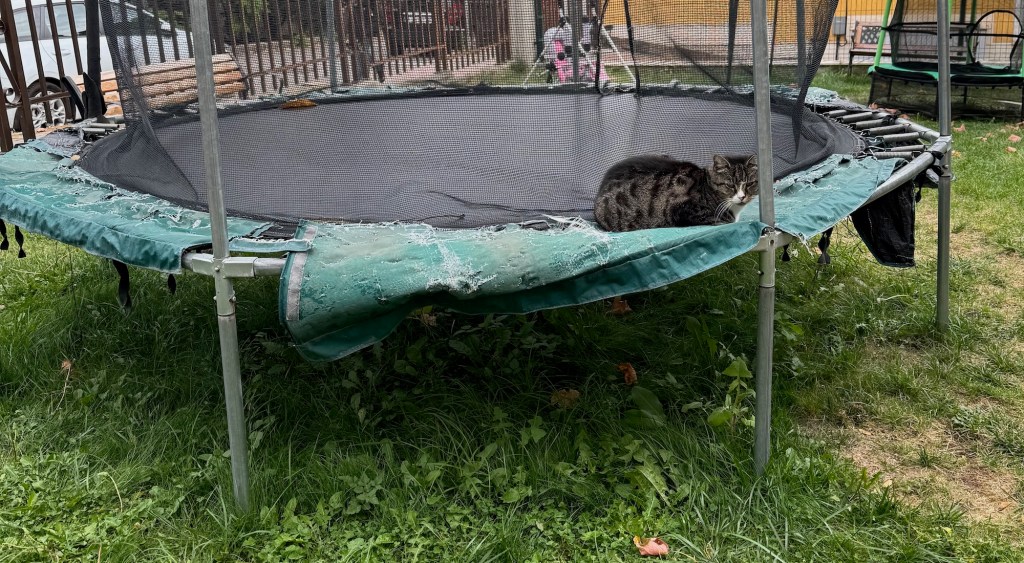
We certainly like the new pedestrian areas and the cat explosion that all these people have caused.
Sofia vs Warsaw

Now that I’m back in Sofia, I’d like to run a quick comparison with Warsaw.

Skyscrapers: Warsaw Wins

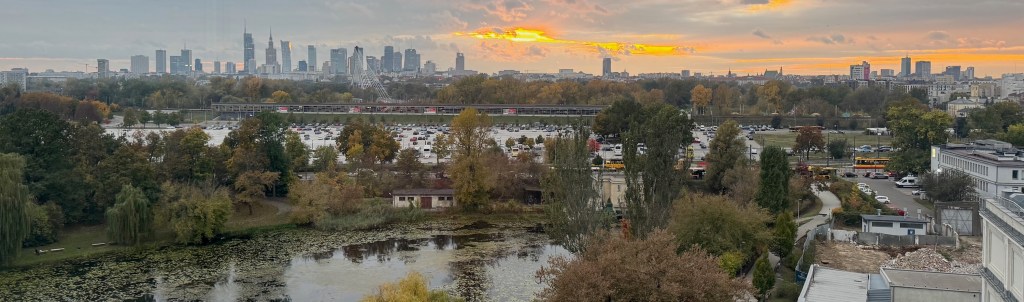
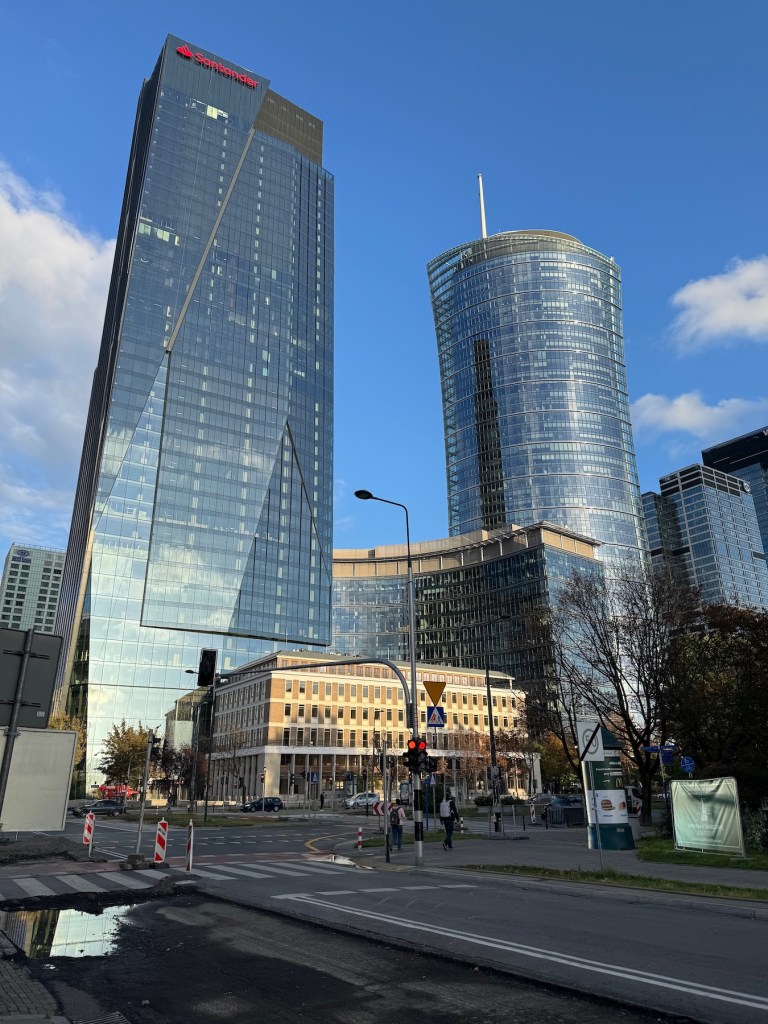
Despite the housing bubble and the gigantic buildings that popped everywhere in the city, Sofia doesn’t have anything resembling a skyline with skyscrapers, and likely won’t ever have that. It doesn’t sound economically viable to destroy old buildings to get the lots, and empty lots exist at random places too far from one another to justify building a city. We do, however, have 10-ish skyscrapers, built because we can.

Food: Warsaw Wins

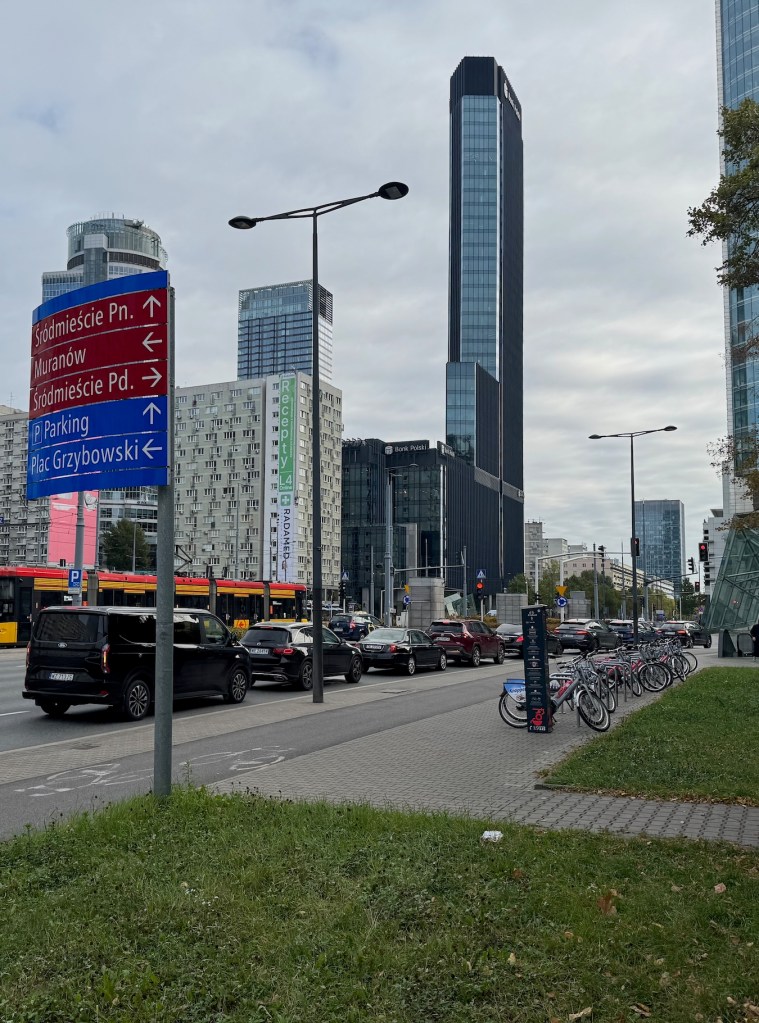
All the skyscrapers have modern business district style infrastructure, including restaurants with good food. The food is what you can find elsewhere in Europe, Sofia as well., However Warsaw has fine burgers and we don’t. They also have Balkan restaurants, and we don’t have Polish food. So I’d say, we give the Poles a slight advantage in cuisine.

Walking Infrastructure: Tie

The part of Warsaw we explored had wide avenues, broad sidewalks, and very few cars parked where they shouldn’t be, although it still happens occasionally. Sofia, in contrast, has narrower streets, occasional gaps in the sidewalks, and is far more car-centric than Warsaw, especially outside of the city center. Still, in Warsaw, having cyclists and pedestrians share the same paths isn’t particularly relaxing either. I’d rather walk under trees, without constantly glancing over my shoulder for speeding bikes.

I’d say it’s a tie here.

Public Transport: Tie

Warsaw has an extensive and efficient network of trams, buses, and a subway that seems to reach everywhere. Services are frequent and generally punctual. Sofia, however, has better metro coverage and a more modern ticketing system, where you can simply tap your contactless card, while in Warsaw you buy paper tickets. Warsaw’s taxis, on the other hand, are better organized, with several reliable companies serving the airport. They have Uber, operating as a regular taxi.

In both places, you can be packed on a bus as a sardine during rush hour, so I’d say a tie is fair.

General Vibe: Sofia Wins

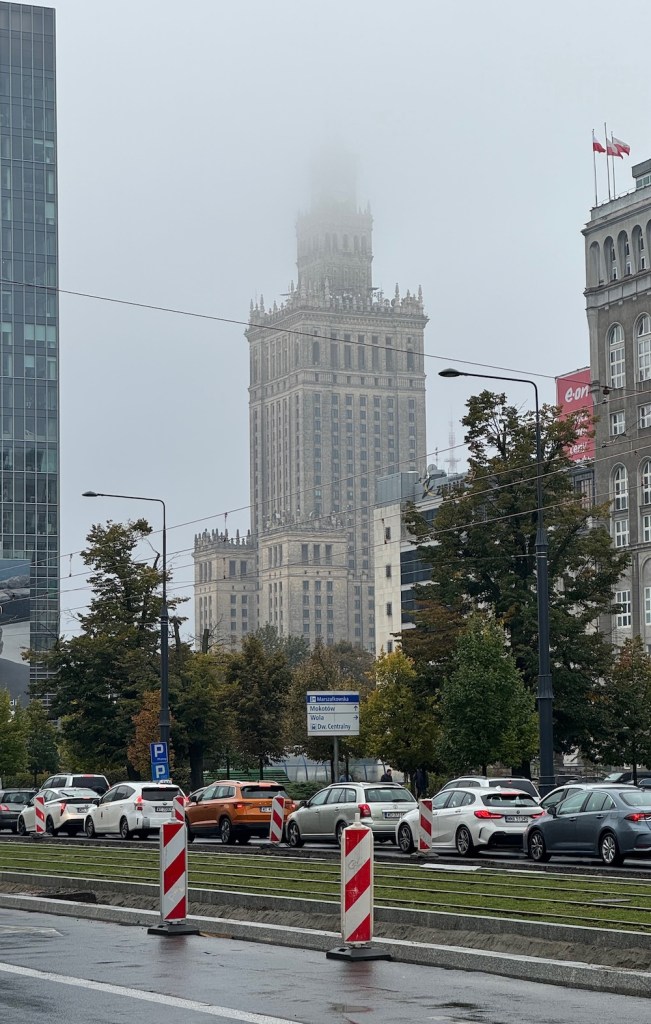
Spending a week under the dark skies with London style weather, London style busy people, cyclists in a hurry, clean and ordered everything, I can see the appeal of a city that functions well. It feels, however, a bit soulless and I prefer the more chaotic and relaxed Sofia, even if for the sunnier weather.

Cats: Sofia Wins

No contest. The warmer and disorganized chaos of Sofia leaves room for all kinds of critters and vegetation to thrive, Cats, included.

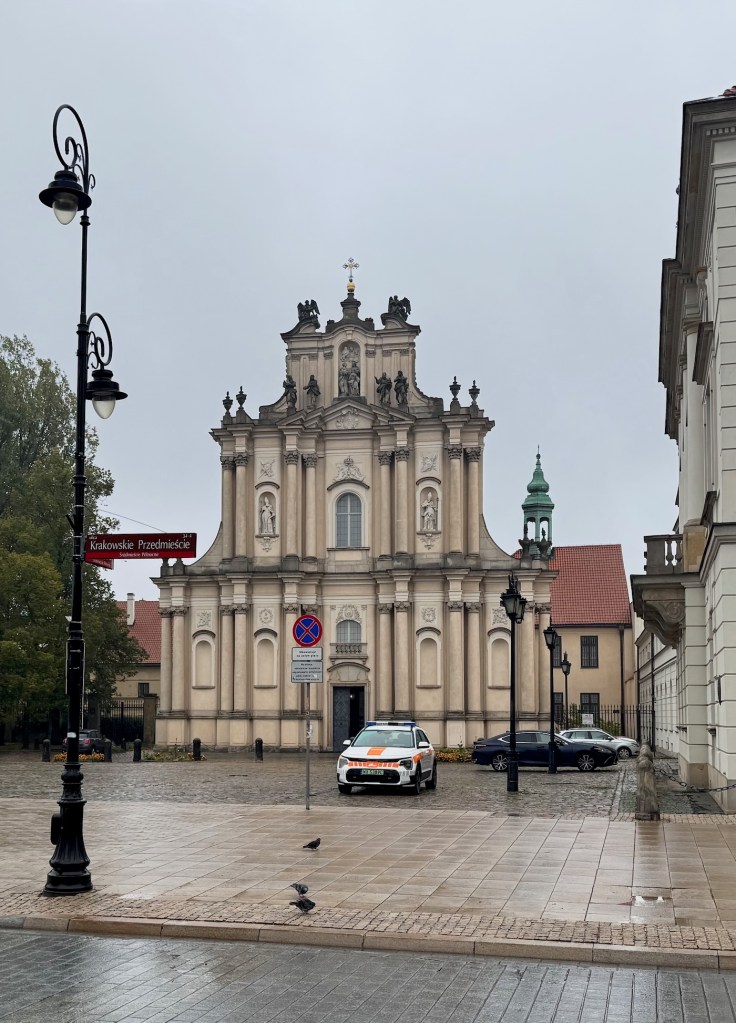
Warsaw is a pretty place, worth exploring. More Oslo than Sofia, planned, organized, and intentional. I hope to have the opportunity to visit it during the summer one day.

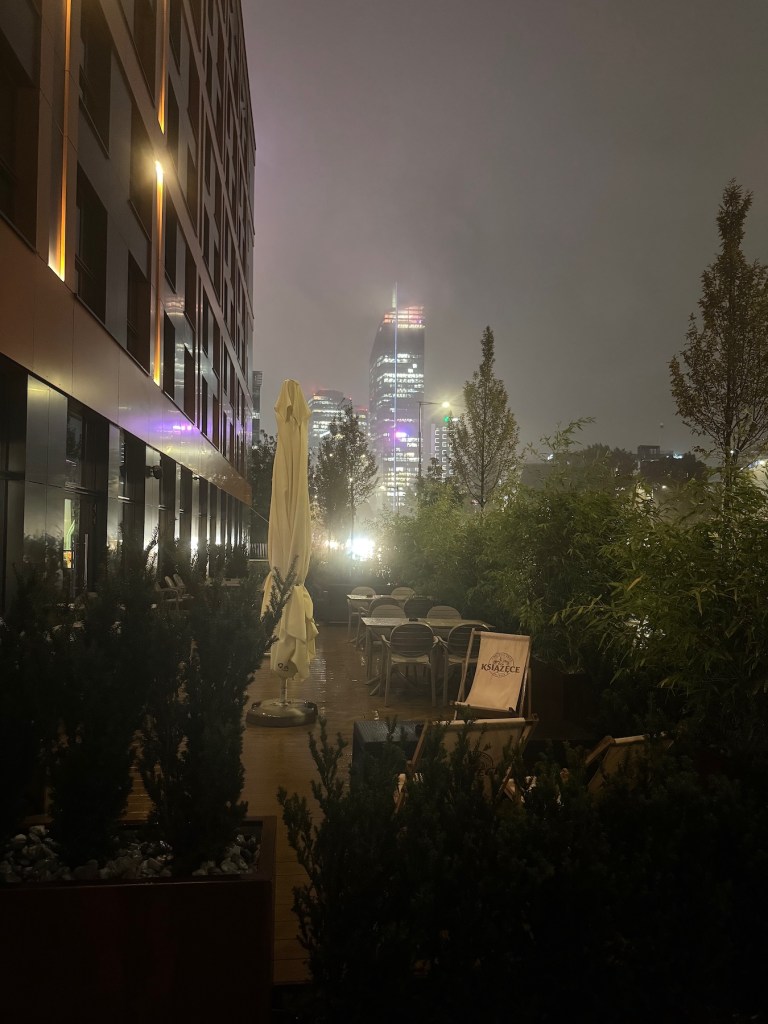
Warsaw

I spent most of the week in Warsaw, on a meetup with my colleagues.

I expected to see something like Sofia but maybe a bit better. Saw something that is not like Sofia at all, or at least not the central area. Wide streets, skyscrapers, alleys for cycling, and modern restaurants. Felt closer to the USA than to the other cities of Europe I’ve visited, except the bike lanes. Walkable.

Warszawa is a nice place, maybe a bit dark and wet in October.

Independence Day

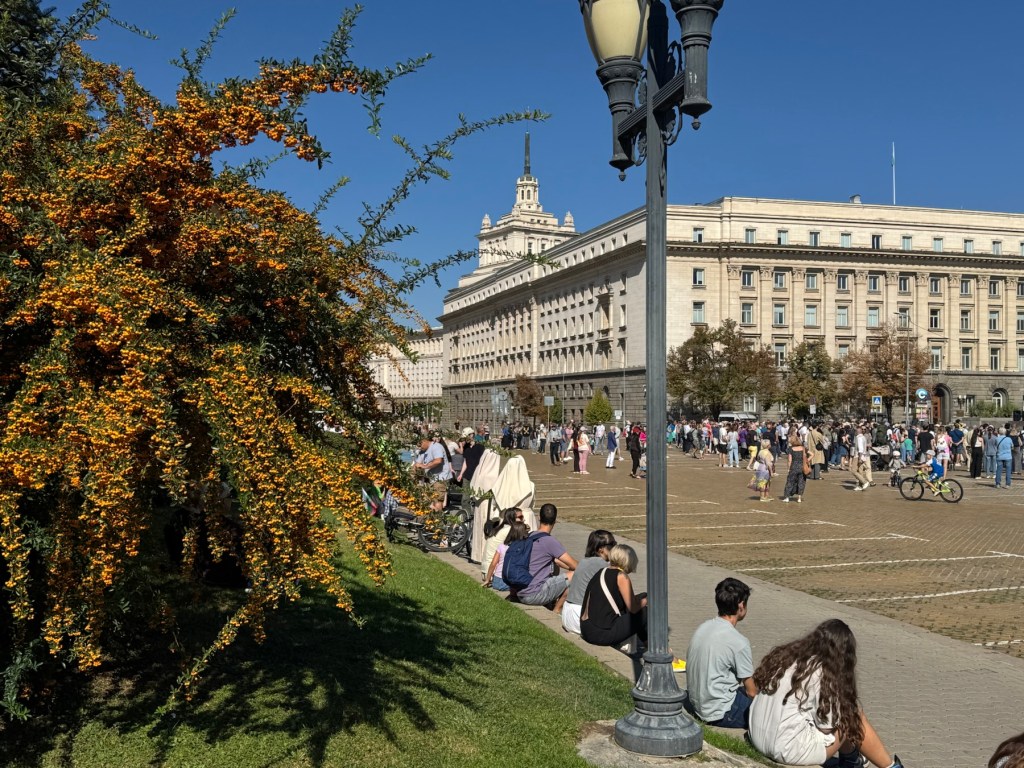
Bulgaria celebrates its independence day today. There were no large crowds because Bulgarians tend to use the national holidays as a reason to go somewhere else.

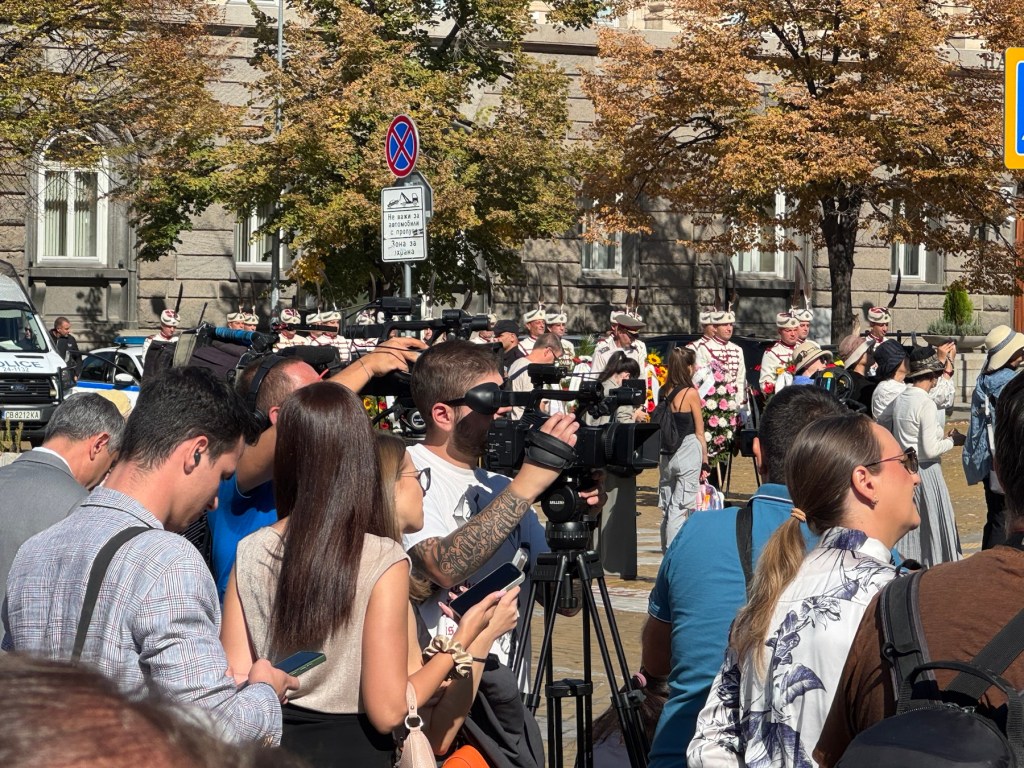
22nd of September was recognized by the mayor of Sofia, the dude with the red tie. There was a small ceremony with guardsmen, orchestra, and folklore singers. The mayor spoke for a few minutes and said something, although not sure what.

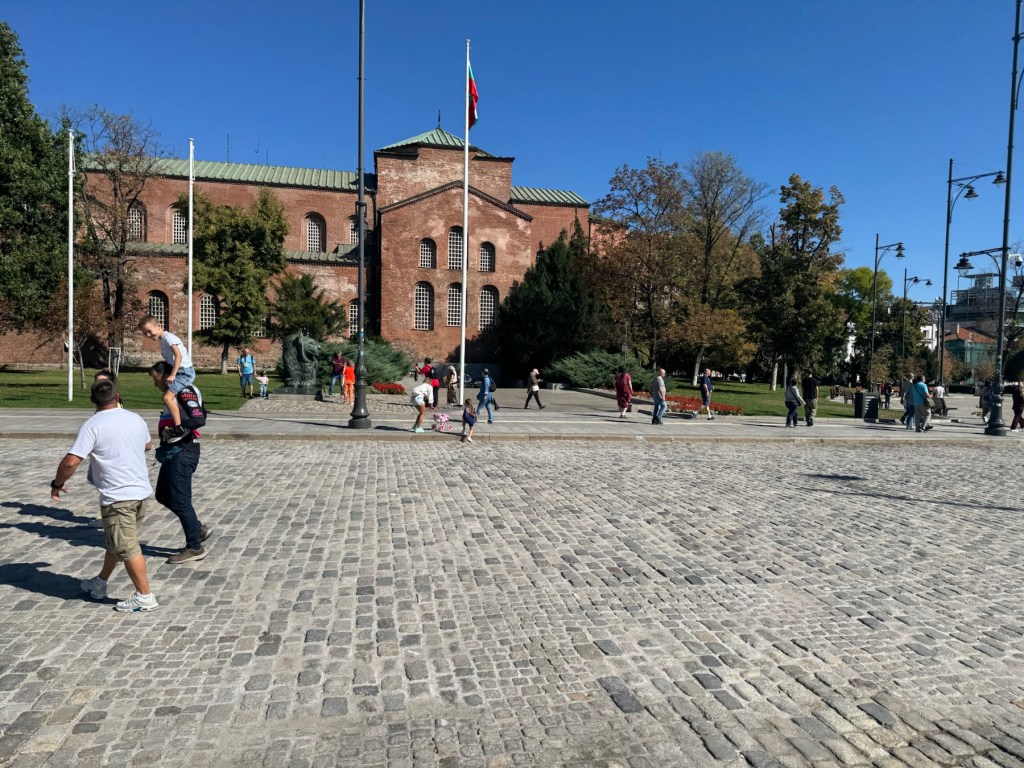
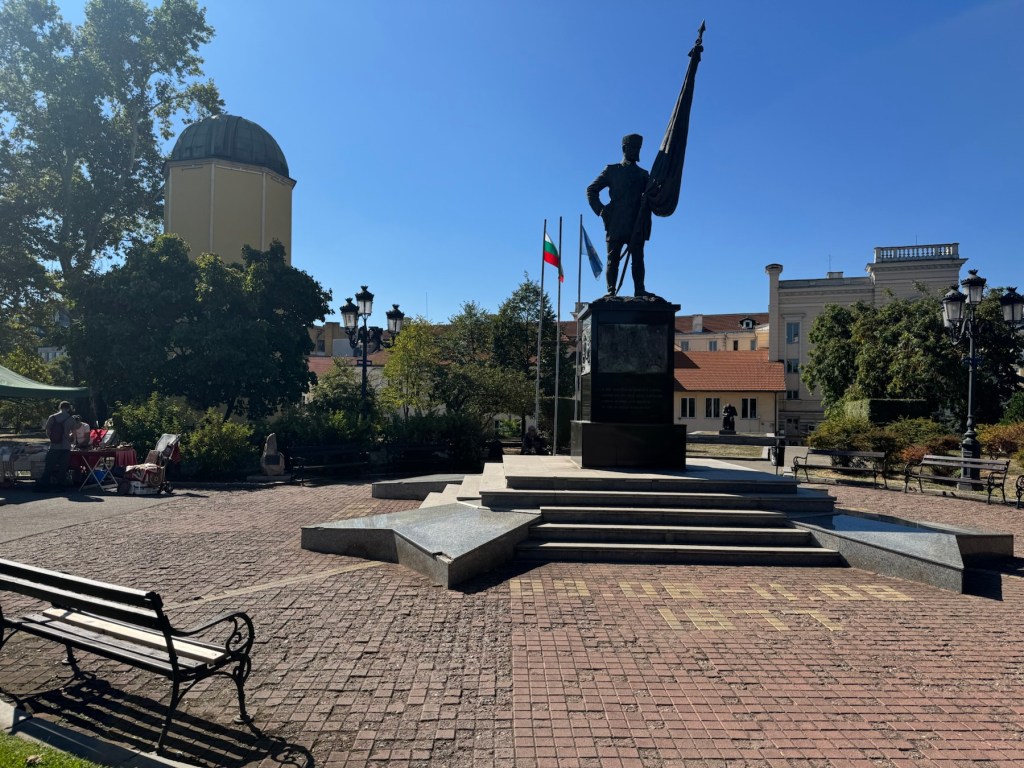
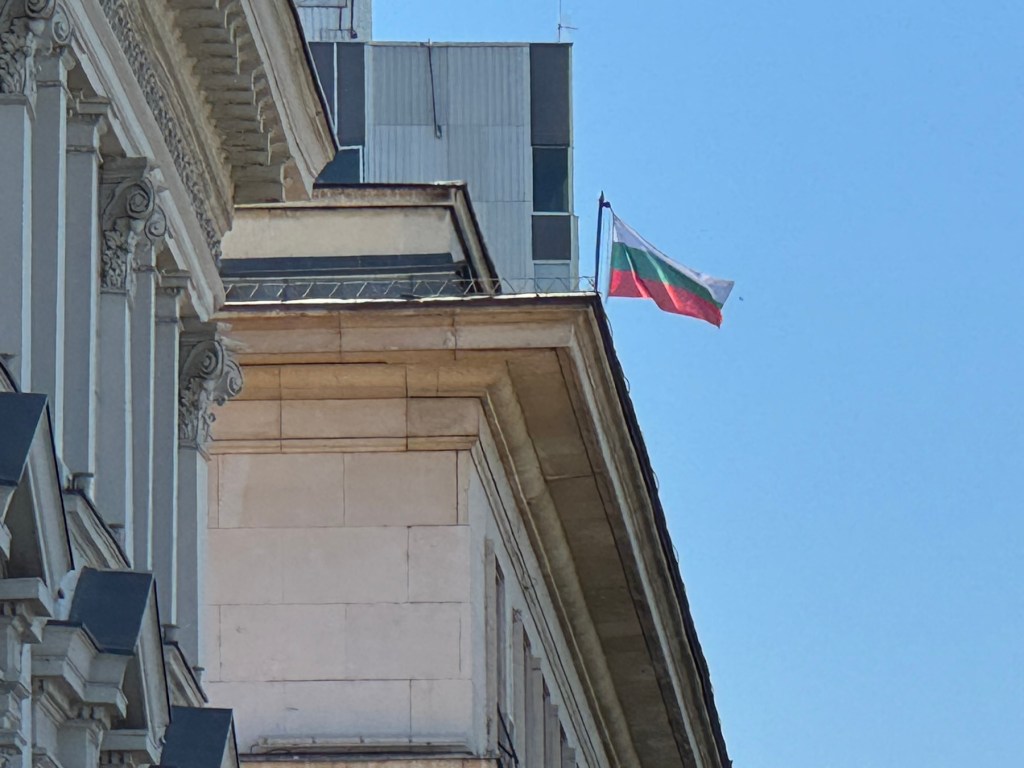
And I captured some Bulgarian flags with landmark and not so landmark sites on the way to the event. The 2nd photo is the St Sofia church, which gave the modern name of our city.

Happy Independence Day to us!