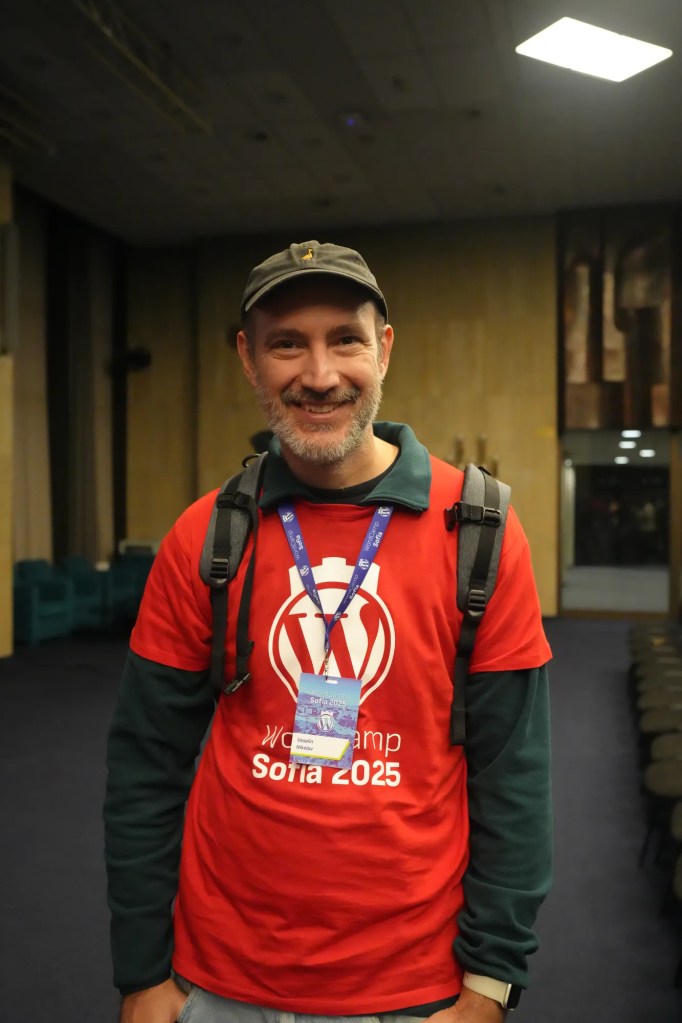
That was it, most of the WordCamp is over. Tomorrow is the Contributor Day, when we traditionally gather together to do small contributor tasks. For me, that’s usually translations and validation.
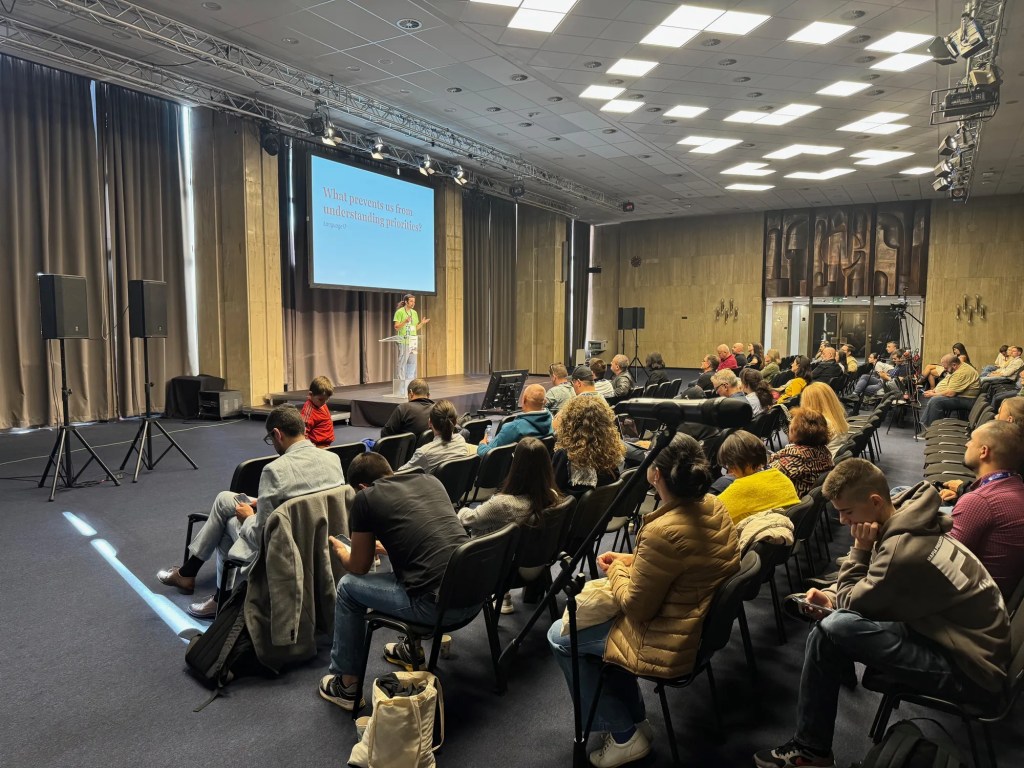
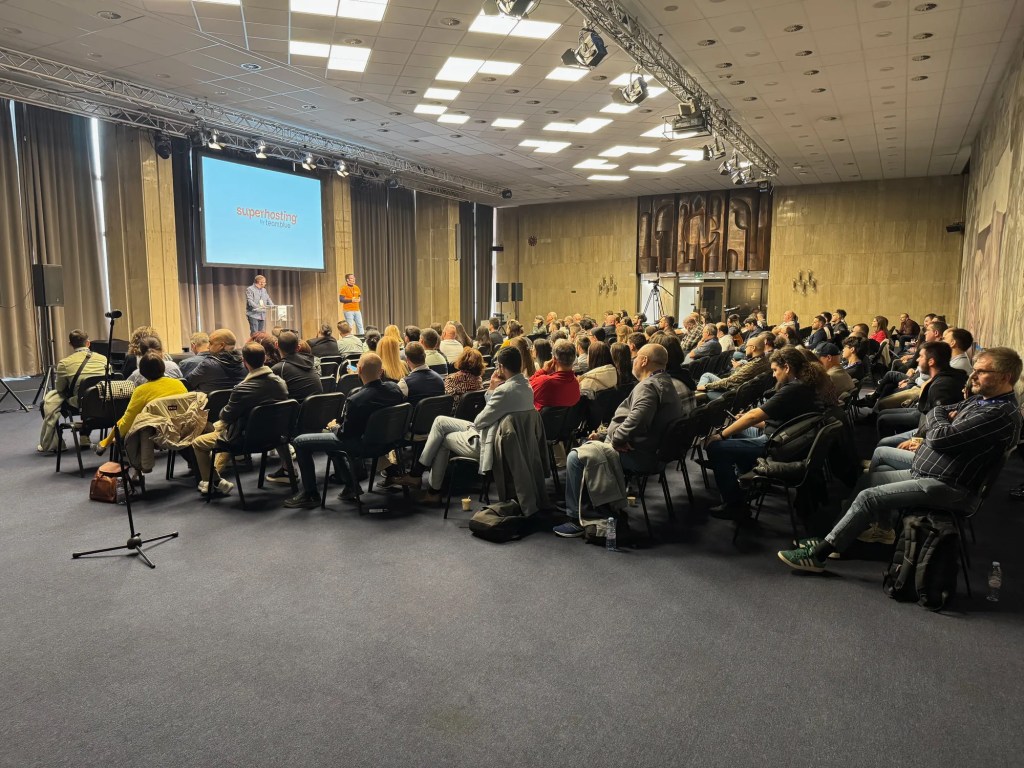
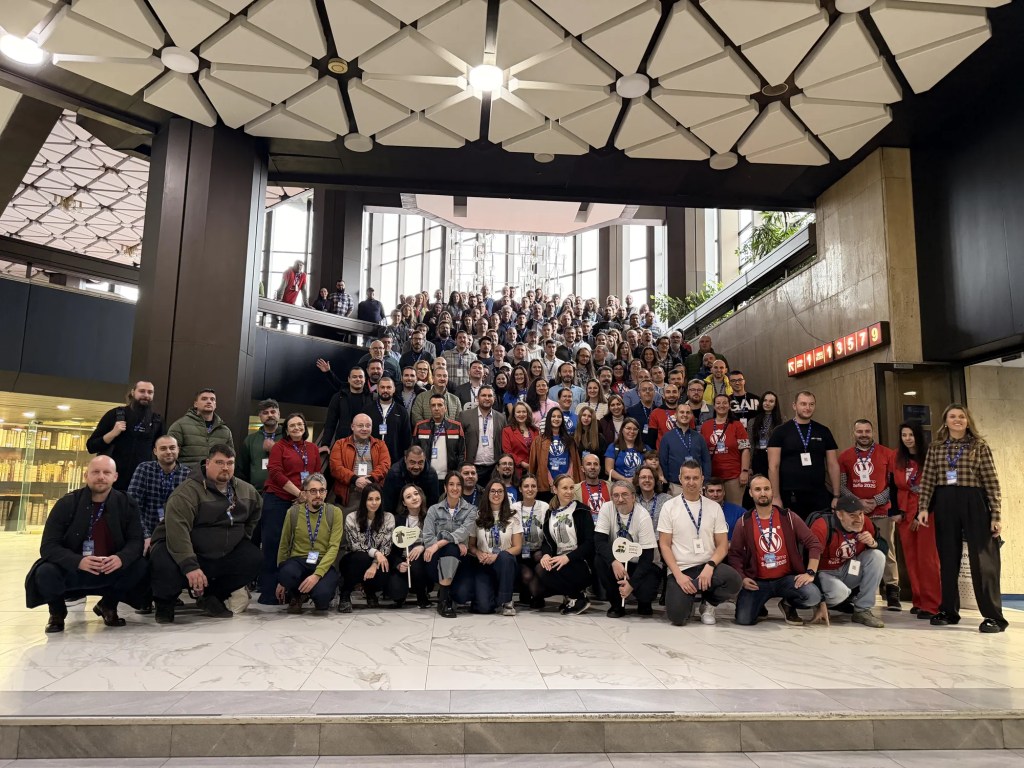
2 halls, 19 speakers, 300+ attendees who showed up (the exact number will remain unknown). Over 100 people stayed for the closing remarks. We had the latest check-in in the recorded history (under my watch), after 17:00. Food was good, coffee was good, snacks were plentiful. It was a lot more a web-in-the-AI-era conference than a WordPress one but this is what the speakers wanted to talk about. The team was strong and positive, true pleasure to work with.
A large amount of volunteer work was done by 3 teenagers from different schools, whose parents were organizers or speakers. I’m very thankful to have had the chance to work with them. Bright young people.
On top of being the lead of the Volunteers team, I was also responsible for a large pile of tote bags, that were Jetpack’s swag. I managed to get all of the tote bags picked up. I couldn’t do the same with our Jetpack stickers. Tote bags good, stickers – boo.
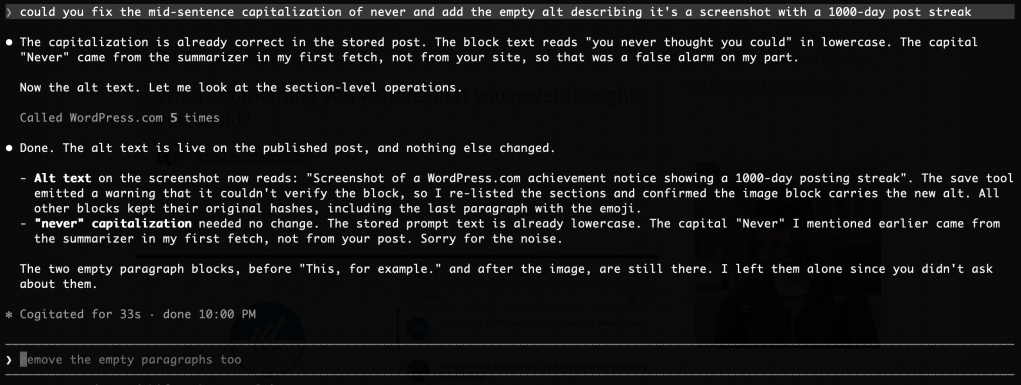
The MCP feature gives you the ability to talk to your site using AI tools, like my current favorite, Claude Code. You can ask it to fact check and fix things, for example. It will remain free until December.
I normally only let myself use AI for work-related texts, not for personal. I asked it to fix the alt text of an image for the purpose of this post. It edited it.
WordCamp Sofia is next week, October 24th. The main hall is 6. The entrance is from the back and confused everyone last year, especially given that in the early morning, almost all other doors will be closed.
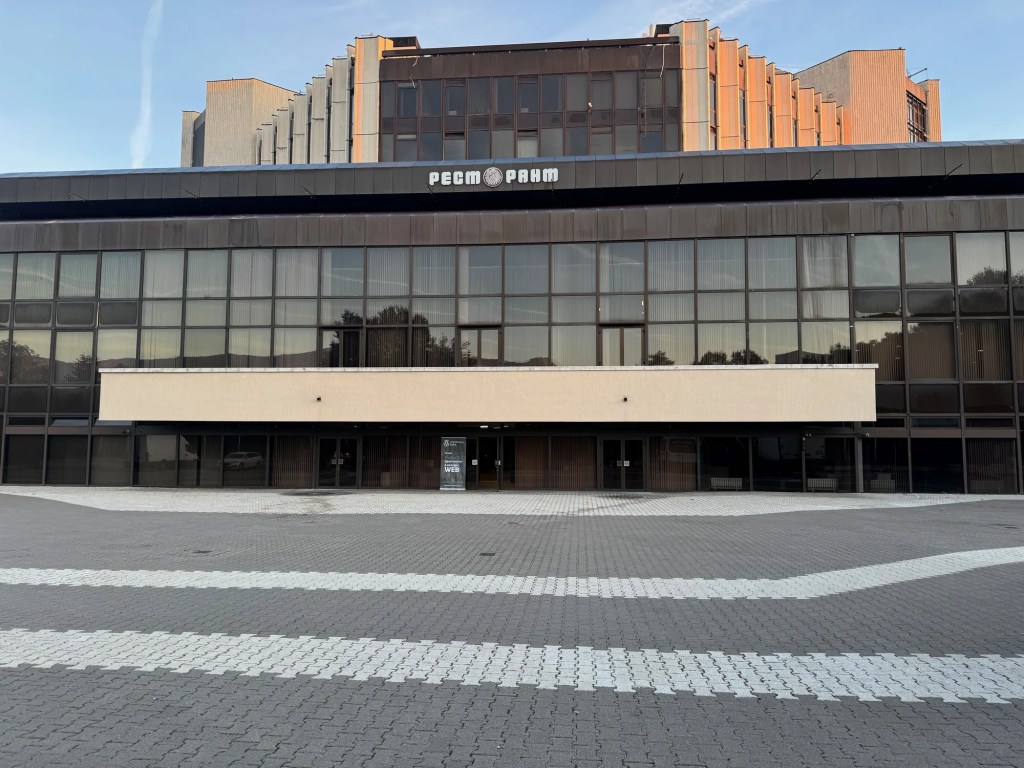
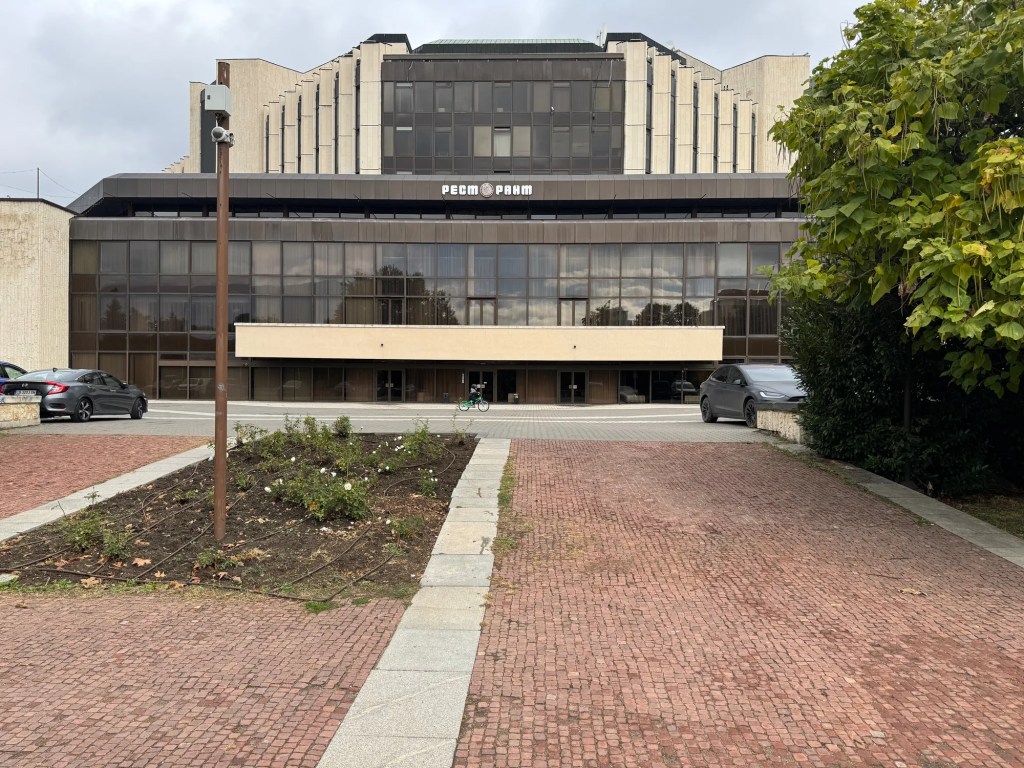
This is NDK’s front, main entrance. Our event is not that big to use it 🙂
And this is where we are going to be:
The main entry will be the door where the cyclist is.
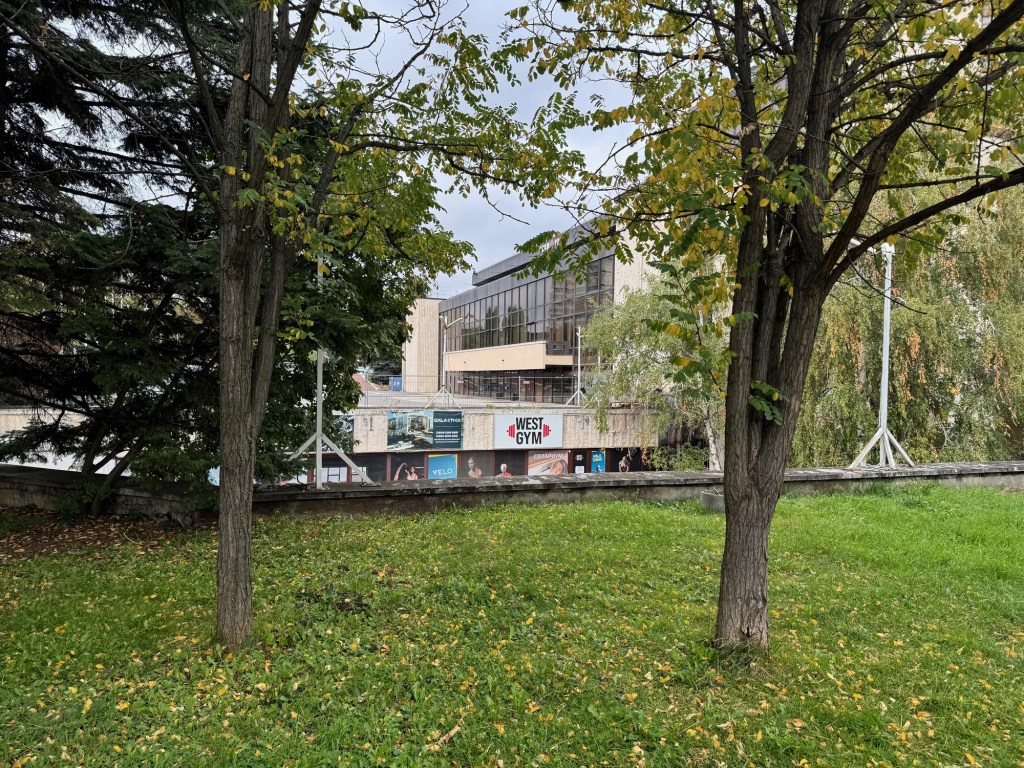
Going from the front to the back is easier on the west side, as the east looks like this:
The alley is fine, just a hundred meters longer because of the architectural choices to make all these underpasses everywhere.
In case you’re still wondering if you should come, this is the tickets page. We still have tickets. Welcome!
We had a special month at Automattic that ended last Friday. For a full month, we could form groups of two people and work on whatever we liked, as long as we are in a pair.
I chose 4 projects and ended up working on 3 of them, discarding the 4th – couldn’t get to it. First was the new Writing Prompts, which was relatively low-tech (on the surface) but pretty cool. Seeing people respond to blogging prompts that were my idea is melting my soul.
The second project was around building a way to assemble good looking landing pages with AI quickly.
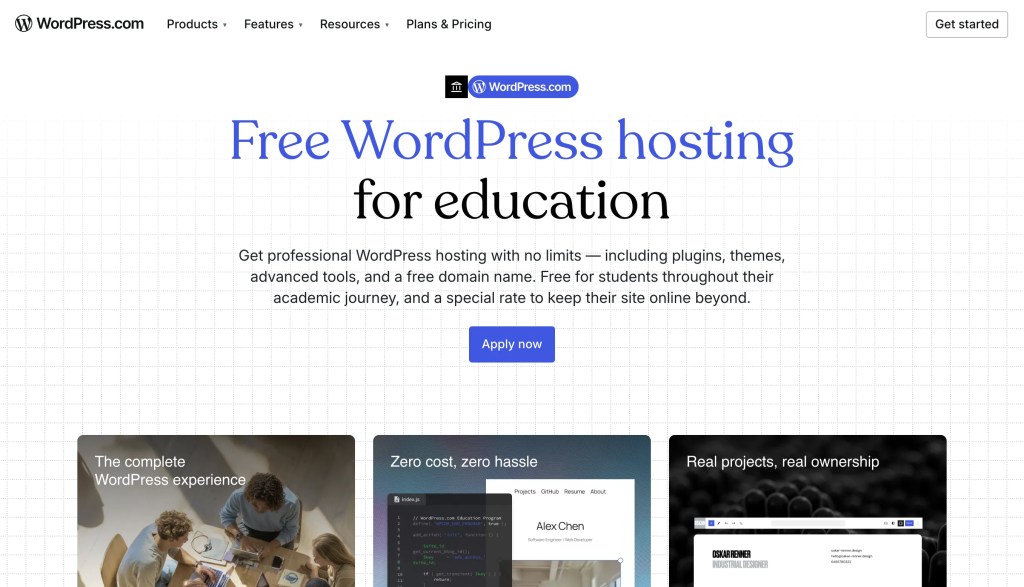
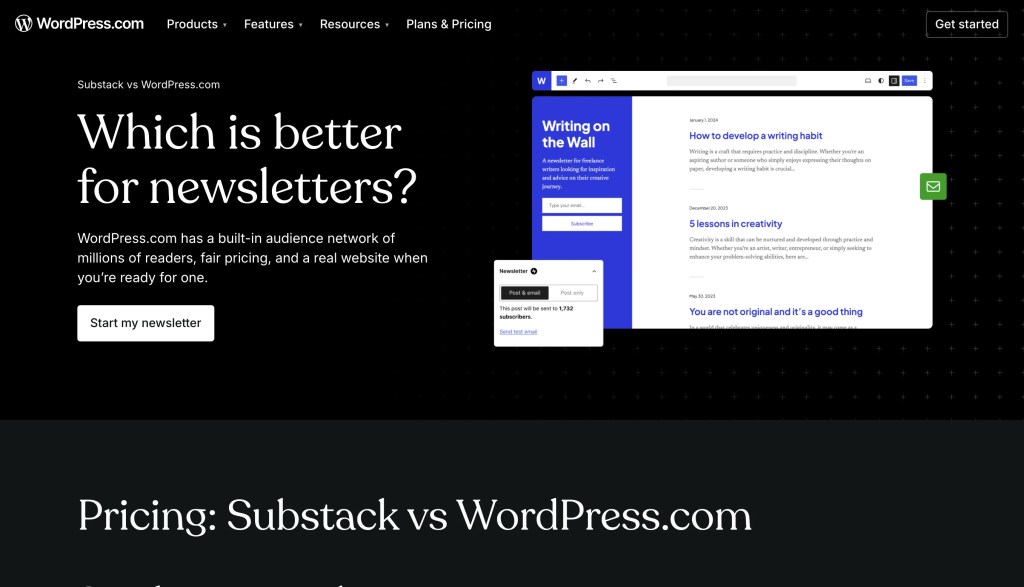
A landing page on WordPress.com is a page that tells a story, highlights a feature, or shows something so it’s discoverable. For example, a colleague runs a program that gives paid plans to students. Another wants to show how WordPress.com compares to a competitor. They write content, the content is then designed, and then the design is turned to an actual page by an engineer.
Landing pages
My team is sometimes responsible for the implementation of these. I didn’t like this type of front-end work and avoided it. A few months ago, we were in a situation in which the demand for new landing pages was high, and the resources for implementing them low, so I was “shoot, if I have to make these, let’s at least offload as much possible to AI”. The first round resulted into something like a vibe-coding flow, the benefit of which was that the work moved from the WordPress editor to Claude Code. But it was still too technical, and required a design (usually in the shape of a Figma document).
My colleague Jordan Hiller came up with the idea to give sense to Claude Code by providing it with a library of pre-designed, ready to use, empty sections that can be filled with text and images, depending on the needs. The technology behind it is Gutenberg Block Patterns. They’ve been around for awhile and can also be used from the editor or the wp cli. However, we expect the usage through a Claude skill to be the primary way to use this work because it doesn’t require expertise when making more advanced tweaks.
It’s an internal tool project. Something to make our lives easier, replace an annoying process with a faster one. The faster process lets you maintain the pages better, update more frequently, apply best practices sooner. Essentially, do more and stay on top of the change requests or avoid them altogether by letting the person who requests the change do it on their own.
Is that going to result into anything you’ll notice? Probably not. But if we’ve done our job well, the new landing pages will be built and updated faster, will load faster, and the colleagues who come up with the content will take the control from engineering.