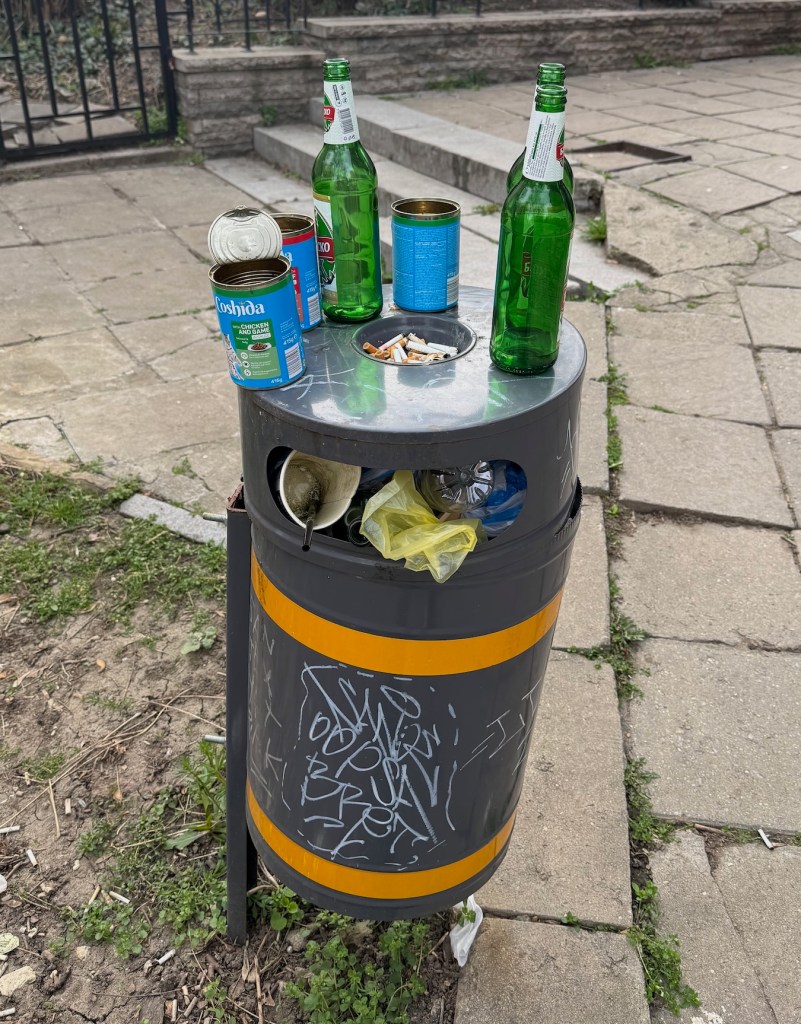
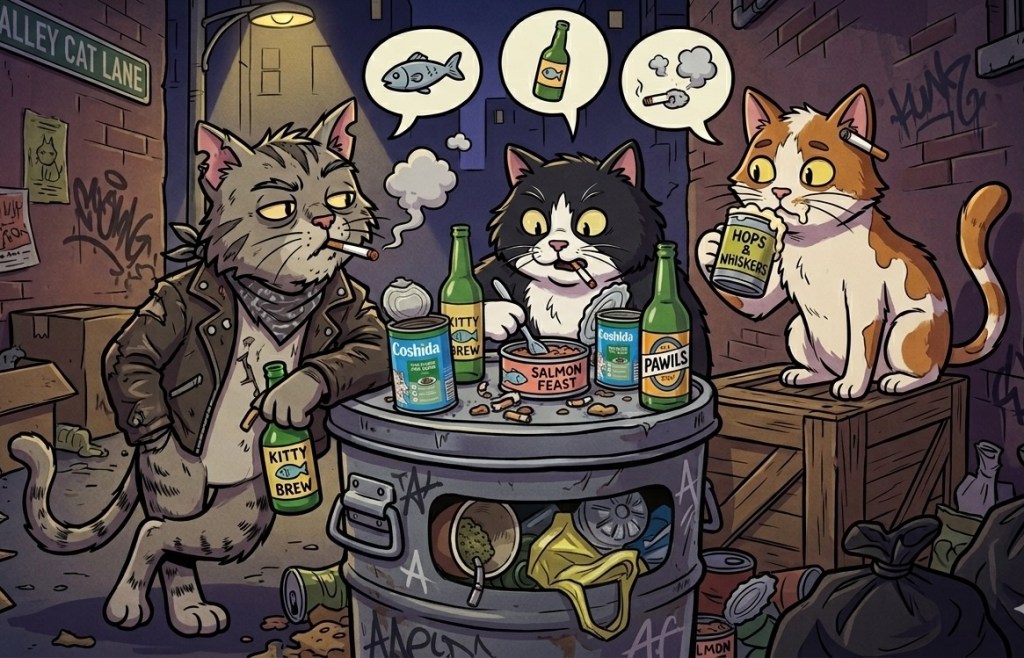
Occam stated that the simplest explanation is more likely to be the correct one than more complex solutions. So here’s a problem and the simplest possible explanation, illustrated through Gemini.
Cats, good books, AI, and religious walking in the city of Sofia
Occam stated that the simplest explanation is more likely to be the correct one than more complex solutions. So here’s a problem and the simplest possible explanation, illustrated through Gemini.
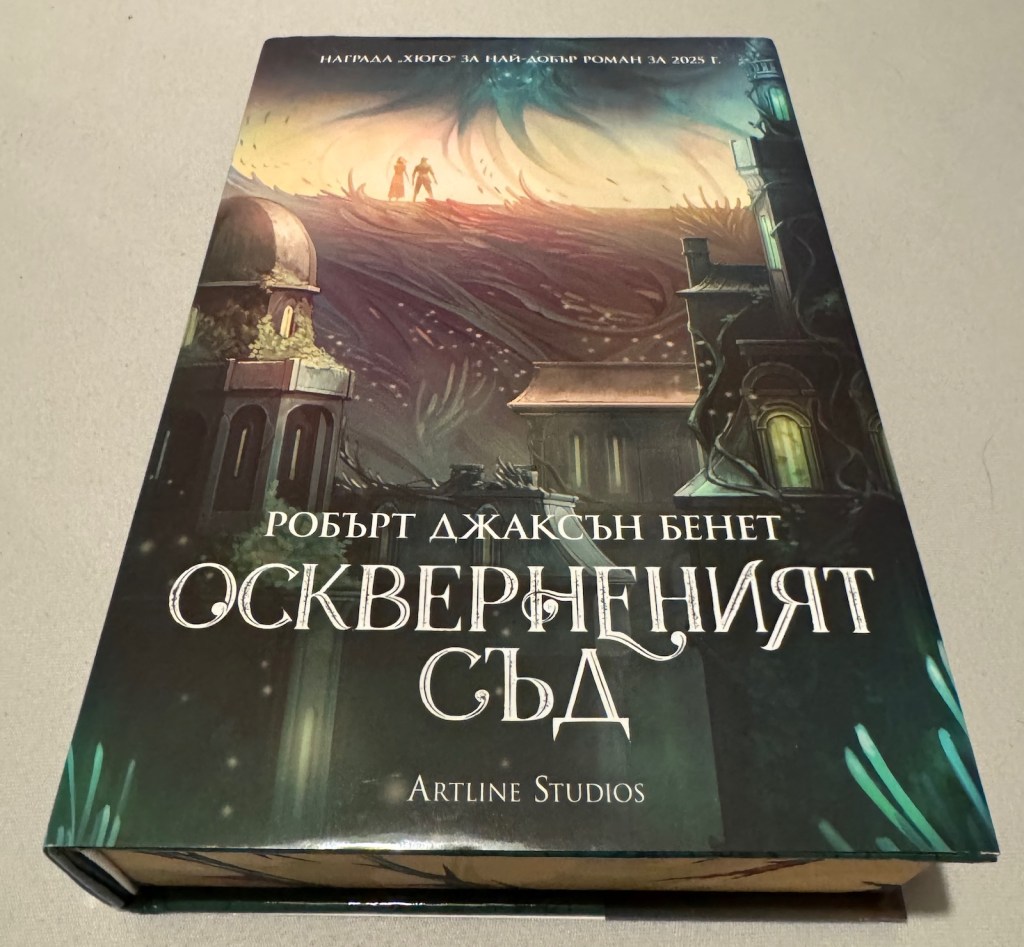
I’ll start writing about this book by comparison. It has the charm of Tress of the Emerald Sea, the worldbuilding of The Fifth Season by N.K. Jemisin, and the green aesthetic of Jade City by Fonda Lee. I mean, the story feels green, not the book itself. That’s good company for any novel.
The world is GMO-fantasy, where all life is subject to genetic modifications, and the modifications often go out of control. Perhaps one of these insanely potent GMOs, one of the sources of them, or both, are the leviathans. They are Godzilla-like monsters, coming out of the sea every year in a mindless attempt to either destroy all humans or talk to them. Humans are always trying to stop them, structured to sustain an army that can battle with such giant creatures. That’s the world, and the world is just a humble background.
Our main characters, Dinios and Ana, are investigators with peculiar powers. He has a GMO-altered memory that lets him remember everything, and she is smart. Ana and Dinios have to investigate a murder where the victim has a tree growing out of his corpse. How does one even approach a disaster like that? They will figure it out, step by step, by using their superpowers.
The story flows naturally, and the pacing is strong right up until the ending. If there’s one critique, it’s that not every thread needed to be fully explained or wrapped up in detail. I would have preferred a bit more left unsaid for what comes next.
Overall, a fantastic story, a solid 5*, and probably the best book I’ve read this month so far.
Regular fitness activities require healthy breaks. The body needs to recover from the micro injuries. Muscles grow, the tendons heal. It also feels good.
Walking is not quite the same. We are made to move and we are also not made to not move. Walking doesn’t generate the same stress as strength training. It’s a light activity.
As a result of this thinking, I adopted the strategy to only have breaks when it’s simply not possible to go out. Got Covid or a knee pain? Break. It rains, snows, life is stressful, the project must ship this week, or I really feel like having a break? Go out and walk.
This approach simplifies decision making. I don’t need to ask myself if I am above or below an imaginary line that lets me do steps. I just hope it’s sustainable. Doing something wrong every day comes with consequences. Walking too much could be that as well.
I joined the team for WordCamp Sofia for another year. This will be my third year in a row as part of the organizing team. The last two years were great, the teams were strong, and I hope we’ll have a good time together again.
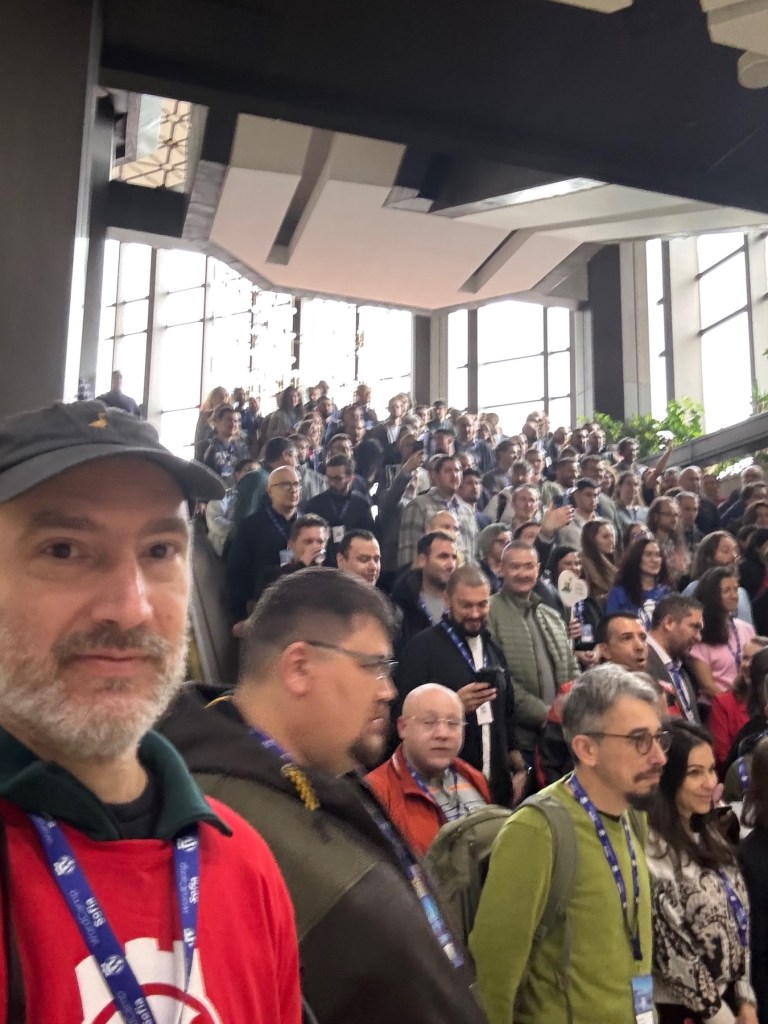
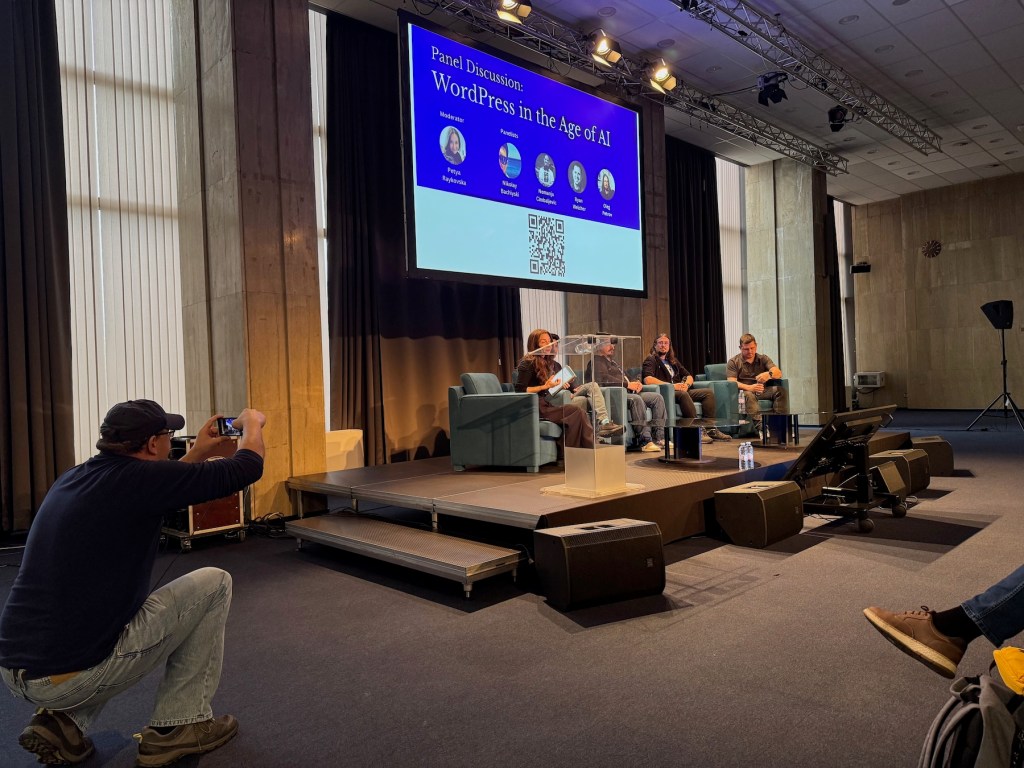
Just a few photos from last year to add color to the announcement.
A 40-meter Ferris wheel will soon start operating in Sofia. It will run from April 4th to September 14th, essentially from the beginning of the spring break to the end of the summer break. It’s located right next to Sofia University, facing the semi-demolished Monument to the Soviet Army, Sofia.
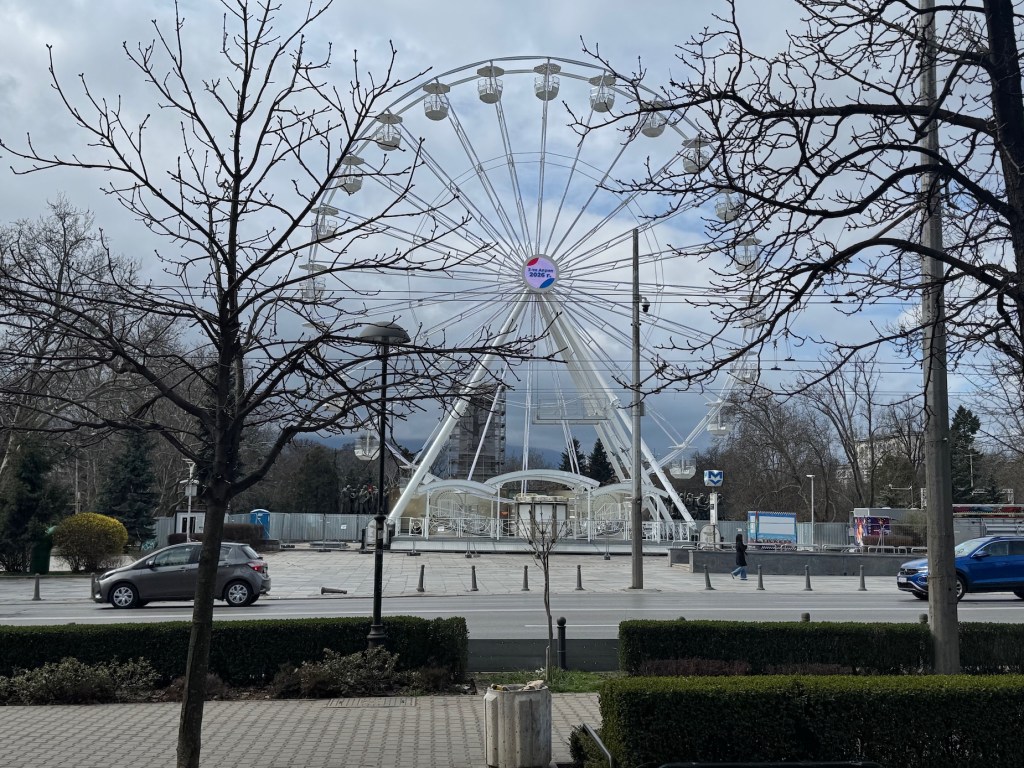
I’m curious to see what would be the view from the top. The central part of Sofia is relatively low, so the view should be nice and unobstructed.
 Veselin.blog