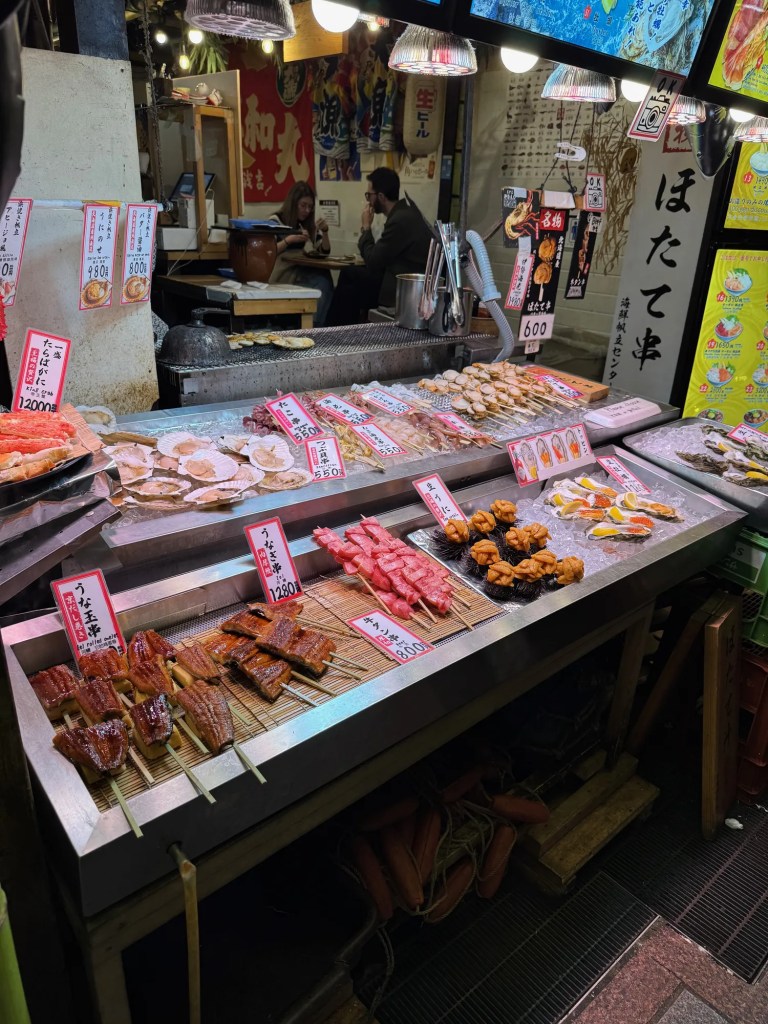
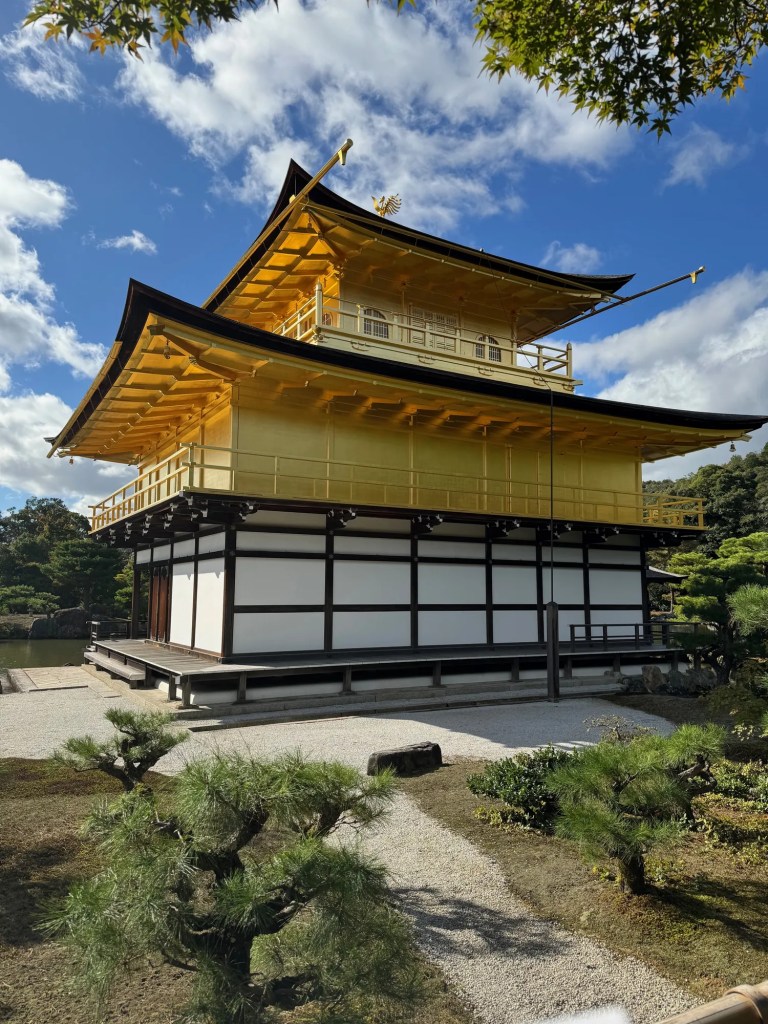
Honestly, as I age, travel becomes less and less interesting. One country I’d like to visit is a country I’ve been to already – Japan. I would enjoy spending a real vacation there, rather than just visiting for 3 days, which is my current experience.
It’s just so different than Bulgaria. I’d love to spend a few weeks there with my family.
When listening other people speak, our brains create a fog of thoughts that wants to get out like AI’s running on a sandbox. We grab those valuable thoughts and stop listening, or we rather start listening to interrupt.
It’s difficult to just listen to understand and let your own thoughts just fly away.
In order to answer this question, I need to remove a word from it – the word “yourself”. Sure, I learned stuff about myself when facing moments of struggle, suffering, risk, or terror. But the learnings in general are far more interesting and readily available than learnings from nearing breaking points. And you can learn from anyone.
I read this concept from Dale Carnegie’s How to Win Friends and Influence People where he makes a point that you should listen to people so they like you more. There is a quote predating his work and I think it’s cleaner than Carnegie’s as it means that you should just listen to understand with no particular goal. Here it is:
In my walks, every man I meet is my superior in some way, and in that I learn from him.
— Ralph Waldo Emerson
So, you can learn things from almost everyone, as long as you listen. Listen with curiosity and no judgement, as Ted Lasso says.
Eating and drinking too much can undo any fitness progress you can make. Sooner or later, adults reach the point to try to put eating under control. I love food. I can eat more than I should. I can say that I reached that point years ago. I’ve tried a bunch of things and am currently following only two.
I do my best to not drink alcohol. The rule I follow is very general – don’t drink calories. If it has calories, not a good drink. There are exceptions, I let myself drink beer during meetups and our traditional summer vacation in Greece. I also drink Ayran when attempting to climb a peak. Otherwise, very strict with that. I don’t even drink coffee anymore.
I (do my best to) eat salads. I don’t like salads but here we are. Every single healthy living manual says eating salads is important. I mostly do it because salads make me less hungry for sweets but I know the health benefits are elsewhere.
I know that the real thing I need to do is to stop eating chocolate but I’m still hoping that the salads will somehow be sufficient.
I found that doing an average of 10k steps, counted as a weekly average, is good for me. My goal is 8k on a work day and 15k on a weekend day. But that’s a lot of steps, and it is quite challenging to fit them in the schedule. I do about 1000 steps per 10 minutes of walking, which means 8k is about 1 hour and 10 minutes of time I need entirely for myself.
So, my trick is that I use the budget for regular activities to do steps.
For example, going to the shared office space takes 30 min. Using the shortest route, I can walk for 5 min, wait for a bus for about 5 min, and then and ride the bus for 20. Or I can walk for 35 min, wait for a more frequent bus, and ride it for 5, for a total of ~42. The second route is about 12 min slower, but I make 3500 steps, using 15 min of my commute time for walking. I also do some loops while waiting for the bus to arrive a few hundred extra steps. By doing this, most of my daily steps come from the budget for getting to work and back.
This kills multiple birds with one stone. I see many cats and get enough photos to keep the cat section of my blog well supplied, and the cat section keeps my blog alive on days with nothing good to say.